Phuket's neighbourhoods explained
What are Phuket's main neighbourhoods?
Phuket splits roughly into the west coast beaches (Patong, Karon, Kata, Kamala, Surin, Bang Tao), the quieter north near the airport (Nai Yang, Mai Khao, Nai Thon, Layan), the residential south (Rawai, Chalong, Promthep Cape, Cape Panwa), and Phuket Town and the inland interior. Each has a distinct character and driving between them commonly takes 20 to 45 minutes.
Geography first, hotel search second
Most guides to Phuket’s areas jump straight to “where should I book,” which is useful but skips a step. Understanding the island’s actual shape — where the coast faces which direction, where the airport sits relative to the beaches, where the boats leave from — makes every other planning decision easier, including which excursions are realistic from which base. Phuket is connected to the mainland by the Sarasin Bridge in the north, and from there the island fans out into distinct zones that don’t blend into each other the way a smaller destination might.
West coast: the beaches everyone pictures
This is the Phuket most photos show — a run of sandy, west-facing bays down the island’s Andaman side, each with its own character. Patong is the largest and loudest, home to Bangla Road and most of the island’s nightlife. South of it, Karon and Kata are calmer and more family-oriented, with a shorter, easier-to-manage beachfront.
North of Patong, Kamala and Surin skew upscale and quiet, and Bang Tao and Laguna further north is dominated by large resort complexes built around a lagoon system. All of these face the open Andaman Sea, which means the same rule applies everywhere along this coast: red flags during the May–October monsoon are a genuine hazard warning, not a suggestion, and drowning is the leading cause of visitor death on the island. See Phuket beach safety and riptides before swimming anywhere on this side.
Half-day city highlights and viewpoints group tourNorth Phuket: quiet, close to the airport, growing fast
North of Bang Tao, the coastline turns quieter and less developed — Layan and Nai Thon are smaller, less commercial beaches with a fraction of the crowds further south, while Nai Yang and Mai Khao sit closest to HKT airport, 10 to 20 minutes away rather than the 45 minutes or more it takes from Patong. This zone is growing fast as new resorts open, but it still has a noticeably slower pace than the west coast’s middle stretch, and Mai Khao in particular is known for its long, empty sand and a seasonal sea turtle nesting site — see sea turtles at Mai Khao.
South Phuket: residential, sunset-facing, less built-up
The southern tip has a different feel again — more residential, less resort-dense, and home to some of the island’s best sunset viewpoints. Rawai is a working fishing and boating community with a well-known seafood market rather than a classic sunbathing beach; see Rawai seafood market guide.
Chalong, just inland and up the coast, is the departure point for most of the island’s dive boats via Chalong Pier and home to Wat Chalong, Phuket’s most-visited temple. Promthep Cape is the island’s best-known sunset viewpoint, and Cape Panwa, further east, is quiet, scenic and genuinely removed from the rest of the island’s activity — a 30 to 40 minute drive from almost anywhere else.
Guided tour of Phuket city with hotel transfersPhuket Town and the interior: where locals actually live
Inland and toward the island’s east side, Phuket Old Town is the historic core — Sino-Portuguese shophouses, a genuine local food scene, and the closest thing the island has to a walkable, non-beach city centre. It’s also where most locals actually live and work, as distinct from the beach resort strips built primarily for visitors.
Further inland, Kathu and Thalang are quieter, mostly residential districts with a scattering of waterfalls, temples and the island’s tin-mining history, worth a stop rather than a base. See Phuket Old Town walking route and sino-Portuguese architecture in Phuket for more on the town itself.
The islands and mainland day-trip zone: what’s reachable and what isn’t
Beyond the island itself, Phuket is also the launch point for a wide arc of day trips: Phi Phi and Phang Nga Bay by boat from Rassada or Ao Po piers, Racha and Coral Island closer in, and mainland stops like Khao Sok National Park, Khao Lak and Krabi by road. Not everything nearby on a map is a realistic day trip — see our honest breakdown of Koh Lanta from Phuket for an example of a destination that looks close but genuinely isn’t, transit-wise.
Private car or minibus rental with driverRough drive times between the main zones
Distances on a map can be misleading on an island where the road network funnels through a handful of central routes. As a working guide: Patong to Kata or Karon is around 15–20 minutes; Patong to Kamala or Surin, going the other way round the headland, is 20–30 minutes; Patong to Bang Tao is 30–40 minutes; the west coast to Rawai or Chalong in the south commonly takes 30–45 minutes; and almost anywhere on the west coast to Mai Khao or Nai Yang in the north is 40–60 minutes.
Cape Panwa, tucked into the south-east, is the outlier — 30–40 minutes from Phuket Town and closer to an hour from the northern beaches. These are dry-traffic estimates; add 15–20 minutes during rush hour around Kathu and the Patong hill road, or during peak season when the whole island is busier.
Why the east coast looks empty on a map
First-time visitors often notice that the island’s east side has almost no beach resorts marked on it, and assume that’s simply undeveloped land. It isn’t undeveloped — it’s functionally different. The east coast faces the calmer, more sheltered water between Phuket and the mainland, which makes it suited to ports, marinas and mangroves rather than surf-facing beaches.
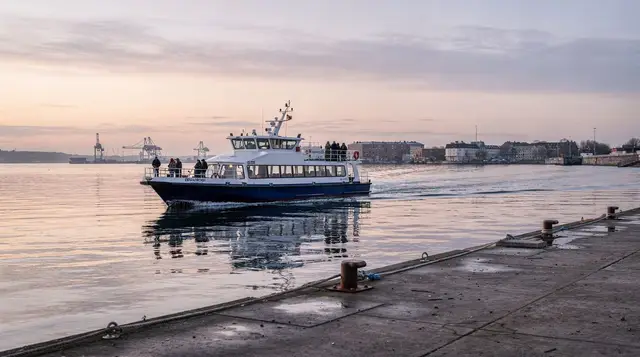
Chalong Pier and Rassada Pier are both on this side, along with Royal Phuket Marina and Ao Po Grand Marina further north, which is why almost every boat trip to the islands — Phi Phi, Phang Nga Bay, Racha — departs from the east even though the destinations themselves sit out in open water. Understanding this split (west for beaches and sunsets, east for boats and ports) explains a lot of Phuket’s layout that otherwise seems arbitrary.
How the neighbourhoods connect, and why that shapes your trip
There is no rail or meaningful public bus network linking these zones — see getting around Phuket — so every cross-island trip means a taxi, a Grab booking, a scooter, or an organised transfer. Driving times of 20 to 45 minutes between areas are normal, and traffic on the main routes through the middle of the island (particularly around Kathu and the Patong hill road) can add significantly to that at peak times. This is the single fact that should drive your “where to stay” decision more than any hotel review: pick the zone closest to what you’ll actually be doing most days, not the one with the prettiest listing photos.
Pairings that work well for a split stay
Some neighbourhood combinations complement each other better than others once you’re splitting a trip across two bases. Kata or Karon paired with a couple of nights near Chalong works well for anyone mixing beach time with diving, since the transfer between them is short. Patong paired with Bang Tao gives a nightlife stretch followed by a calmer, resort-heavy finish, which suits travellers who want both without either dominating the whole trip.
And Phuket Old Town paired with almost any beach area works as a low-cost, high-food-quality bookend at the start or end of a longer trip, when you’re less focused on swimming and more on winding down before a flight. What doesn’t pair well is trying to combine Cape Panwa or the far north with a short trip elsewhere — the drive times involved eat too much of a short visit to be worth the changeover.
Reading the geography before you read hotel reviews
It’s worth doing the geography exercise above before opening a booking site, because hotel reviews rarely mention the thing that will actually shape your day-to-day experience: how far you’ll be from what you plan to do. A five-star review of a resort in Cape Panwa says nothing about the 40-minute drive to Patong’s restaurants, and a glowing review of a Kata guesthouse won’t mention that it’s a poor base if diving out of Chalong is your main plan. Start with which zone matches your priorities, and only then start comparing specific hotels within it.
Matching this to a booking decision
This guide covers the geography and character of each zone; for the direct “who should book what” version with price ranges, see where to stay in Phuket. For a head-to-head between the island’s three biggest west-coast names, see Patong vs Kata vs Karon, and for the broader north-versus-south trade-off, north vs south Phuket.
Frequently asked questions about Phuket’s neighbourhoods
Which side of the island has the beaches?
The west coast. The east side is mostly ports, marinas and mangroves, and it’s where most boats to the islands depart from rather than where people swim.
How long does it take to cross the island?
Commonly 30 to 45 minutes between opposite ends — say, from Mai Khao in the north to Rawai in the south — depending on traffic through the middle.
Is Phuket Town worth staying in, or just visiting?
Both work. It’s a genuinely good budget base with real local food and prices, but you’ll need a taxi or Grab to reach any beach, typically 15 to 25 minutes.
What’s the quietest area on the island?
Cape Panwa and the far north (Nai Thon, Layan) are the least developed of the main zones, though Cape Panwa’s isolation is also its main drawback for anyone planning multiple excursions.
Do I need to choose just one area to stay in?
Not necessarily — on trips of a week or longer, splitting time between two zones is common and often worthwhile, especially if your plans mix, say, diving out of Chalong with beach time on the west coast.
Why do so few resorts sit on the east coast?
The east coast faces sheltered water suited to ports, marinas and mangroves rather than the open, surf-facing beaches on the west side. It’s functionally different terrain, not simply less developed.
Which neighbourhood is closest to the most other things?
The middle of the west coast, roughly Kata to Kamala, sits within a reasonable drive of the airport, the south, and Phuket Town, making it a reasonable default if you don’t have a strong reason to pick elsewhere.
Trip-planning essentials on GetYourGuide
Verified deep-linked GetYourGuide tours. Book through these links and we earn a small commission at no cost to you.
These are our own photographs of Phuket, not the operator's pictures of this tour — open the tour page to see those.