Cape Panwa is the peninsula most visitors drive straight past on their way to somewhere else, which is precisely why the people who do stop tend to like it. No strip of bars, no beach crowds, just an aquarium, a mangrove coastline and a handful of hotels that chose isolation on purpose.
A peninsula, not a beach resort area
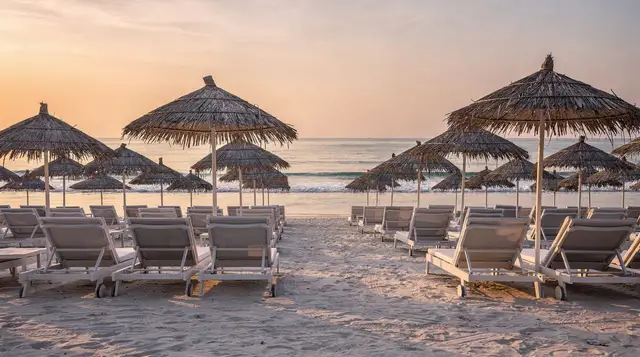
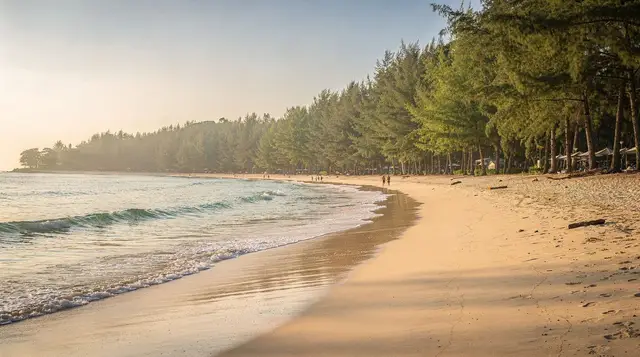
Cape Panwa sits on the southeastern side of Phuket, jutting out into Chalong Bay across the water from Cape Panwa’s neighbour, Ao Yon and within sight of Coral Island further out. Unlike Patong, Kata Beach or even Rawai, it was never built around a swimmable beach — the coastline here is a mix of mangrove, rocky shore and small private coves attached to the resorts, without a public stretch of sand worth planning a beach day around. That’s the trade the area makes: less convenient for a straightforward beach holiday, more private and quiet for everything else.
Phuket Aquarium
The Phuket Marine Biological Center Aquarium sits at the tip of the cape and is one of the few budget, low-key attractions left on an island where most things have become expensive tour products. It’s small by international aquarium standards — a modest collection of tanks covering local reef fish, sharks, rays and some Andaman Sea invertebrates, plus a walk-through tunnel tank — but it’s inexpensive, rarely crowded, and genuinely educational about the marine environment the rest of your Phuket trip is probably built around.
Budget an hour, not half a day; it’s a worthwhile add-on to a Cape Panwa visit rather than a destination on its own. For other indoor and family-oriented options if the weather turns, see our aquarium and indoor attractions guide.
Mangroves along the cape
The inner coastline of Cape Panwa, facing back toward Chalong and the mainland, is lined with mangrove forest rather than open sea — a noticeably different ecosystem from the sandy west-coast beaches most visitors spend their trip on. There’s no major formal boardwalk or eco-tour infrastructure specific to Cape Panwa’s mangroves the way there is at some other spots on the island, but the drive along the cape’s inner road gives a good look at the ecosystem, and it’s part of what keeps the water calmer here than on the exposed west coast.
If mangrove kayaking specifically is what you’re after, Phang Nga Bay and Koh Yao Yai further afield have more developed guided options — see our sea kayaking in Phuket guide for where those trips run from.
Isolated resorts and why people choose them
Cape Panwa’s hotel scene is small but distinctive — a cluster of upscale, low-density resorts built around the peninsula’s privacy rather than beach access, including some of the more architecturally striking hotels on the island. Sri Panwa, perched on the cape’s high ground, is probably the best known, drawing a mix of honeymooners and travellers specifically looking to avoid the resort-strip atmosphere of the west coast. Its rooftop bar and F&B venues are also open to non-guests for a fee or minimum spend, and are one of the better sunset-with-a-view options in the south of the island precisely because they’re not on the main tourist circuit:
Rooftop bar F&B package at Sri PanwaIf isolation and privacy matter more to your trip than walkable restaurants and nightlife, Cape Panwa is worth serious consideration as a base — see our where to stay in Phuket guide for how it stacks up against the west-coast alternatives. The trade-off is real: you’ll be relying on taxis or a rental scooter for almost everything, since there’s very little to walk to outside the resorts themselves.
Boats toward Coral Island
Cape Panwa’s position on Chalong Bay puts it within reasonable striking distance of Coral Island (Koh Hae), though most organised day-trip boats to the island still depart from Chalong Pier rather than from Panwa directly — worth checking your specific booking rather than assuming a Panwa departure. Some resorts run their own private boat transfers for guests, which is a meaningfully different (and pricier) experience from a shared day-trip boat.
Coral Island snorkelling and water activities trip Coral Island tour with sea walkingFor the full comparison of routes and operators to Coral Island, see Coral Island day trip guide.
A working peninsula as much as a resort one
Cape Panwa isn’t purely a resort enclave — a significant stretch of the peninsula is occupied by a Thai naval base, which is part of why development here has stayed lower-density and lower-rise than the west coast, and why some roads and coastal stretches are off-limits to visitors. There’s also a working fishing pier on the cape used by local boats rather than tour operators, giving the area a working-peninsula feel alongside the resort presence — closer in spirit to Rawai than to the purpose-built tourism of Patong, just with a smaller footprint and far fewer visitors.
Restaurants and daily life
Dining options on Cape Panwa are split between resort restaurants — several genuinely good, with sea views that justify the higher prices — and a small number of simple local Thai restaurants serving the resident and naval-base population rather than tourists. There’s no real independent restaurant strip the way Phuket Old Town or even Rawai has; if you’re staying at a resort here, you’ll likely eat there most nights, supplementing with a scooter or taxi trip toward Chalong if you want more variety.
Getting to Cape Panwa
| Method | Cost | Time from Phuket Town | Notes |
|---|---|---|---|
| Grab | Around 200-300B (6-9 USD) | 20-25 minutes | Reliable in this area despite the lower foot traffic |
| Metered/tourist taxi | 350-500B (10-14 USD) flat rate | 20-25 minutes | Fixed rate at stands, negotiable with independent drivers |
| Self-drive scooter | 200-300B/day (6-9 USD) rental | 25-30 minutes | The cape’s roads are quiet compared to the west coast |
| Resort transfer | Often included or arranged for a fee | Varies | Common if staying at one of the isolated resorts |
There’s no meaningful public transport option covering Cape Panwa specifically — plan on Grab, a taxi, a rental scooter or a resort transfer rather than relying on a songthaew route reaching this far out. See getting around Phuket for the island-wide picture.
Cape Panwa vs other quiet corners of Phuket
If you’re weighing Cape Panwa against other low-key parts of the island, the differences come down to what kind of quiet you want.
| Area | Character | Best for | Trade-off |
|---|---|---|---|
| Cape Panwa | Isolated resort peninsula, mangrove and rocky shore | Privacy, sunset views, aquarium | No real beach, limited dining variety |
| Ao Yon / Khao Khad | Quiet bay and viewpoint tower | A calm beach with almost no crowds | Very limited infrastructure |
| Rawai | Working fishing village, expat hub | Seafood, community feel, budget stays | No swimmable beach either |
| Nai Harn | Quieter proper beach | Swimming without Patong-level crowds | Busier than the other three in high season |
Cape Panwa and Ao Yon sit directly across the water from each other and are often cross-shopped by visitors looking for the calmest possible stretch of the southern coast — the difference is that Ao Yon has an actual swimmable bay, while Panwa trades that for resort privacy and the aquarium. If a swim at Nai Harn is part of the plan, check for red flags first during the May-to-October monsoon — that open, west-facing stretch of coast sees rip currents that are the leading cause of tourist deaths on the island, unrelated to how calm the water looks from the sand.
What’s overrated here
Don’t expect a swimmable beach, despite what some resort marketing photography might suggest — the coastline here is mangrove and rocky shore, not sand, and any beach access advertised by a hotel is usually a small private cove rather than a proper stretch of beach. The aquarium, while good value, is genuinely small; treat it as a one-hour stop, not a half-day outing, and don’t build an entire day trip around it alone.
Where Cape Panwa fits in a Phuket itinerary
Cape Panwa works best as a half-day stop combining the aquarium with a mangrove drive and, if the timing works, a sunset drink at one of the resort bars — or as a base for a stay built around privacy rather than beach convenience. It’s less naturally combined with the Rawai/Chalong/Promthep Cape southern loop given the extra driving distance, so treat it as its own half-day rather than trying to squeeze it into that circuit. In a 7-day or longer itinerary, it’s a reasonable “quiet day” slot, especially if you’ve spent the previous days in busier parts of the island.
A short history of how Cape Panwa became a resort peninsula
Cape Panwa’s development followed a different path from the west coast. Rather than growing outward from a fishing village or a backpacker beach scene the way Patong and Kata Beach did, the cape’s isolation and elevated headland made it attractive to a small number of higher-end hotel developers from the outset, drawn to exactly the privacy and lack of existing infrastructure that kept casual visitors away.
The naval base’s presence on part of the peninsula reinforced that pattern by limiting how much of the coastline could ever be developed for mass tourism, effectively capping density in a way that never happened on the more open, accessible west coast. The result today is a peninsula that skipped the backpacker-to-resort-strip evolution seen elsewhere and went more or less straight to low-density luxury, with the aquarium and a scattering of local businesses filling in around the edges.
Sunset views without the Promthep Cape crowd
Because Cape Panwa faces back across Chalong Bay rather than out into open sea, it isn’t set up for the classic sun-into-the-water shot that Promthep Cape is known for. What it offers instead is a wide, elevated view over the bay toward Chalong and the hills beyond, best enjoyed from one of the resort bars or restaurants built specifically to take advantage of the elevation. It’s a genuinely different kind of sunset experience — calmer, seated, usually with a drink in hand rather than jostling for a spot at a railing — and one of the better reasons to make the drive out here even if you’re not staying on the peninsula.
Combining Cape Panwa with a south Phuket day
Cape Panwa sits slightly apart from the natural Rawai-Chalong-Promthep Cape loop that most south-of-the-island itineraries follow, since it requires backtracking rather than continuing around a single circuit.
If you want to include it in the same day as that loop, the most efficient order is usually Chalong first (for the pier or the temple), then Cape Panwa for the aquarium and a late lunch, before doubling back toward Rawai and Promthep Cape for the evening. Trying to fit all four into one day is possible but tight — for a more relaxed pace, treat Cape Panwa as its own separate half-day instead, ideally paired with neighbouring Ao Yon and Khao Khad given how close the two are to each other.
Frequently asked questions about Cape Panwa
Is there a beach at Cape Panwa?
Not a proper public beach — the coastline is mostly mangrove and rocky shore, with small private coves attached to some resorts. For a real beach, Nai Harn or Kata Beach are the nearest good options.
Is the Phuket Aquarium worth visiting?
Yes, as a low-cost, low-key hour, especially if you want a break from paid tour products. It’s small, so don’t plan more than an hour there.
Do Coral Island boats leave from Cape Panwa?
Mostly not directly — most day-trip operators depart from Chalong Pier. Some resorts arrange private transfers for guests, which is a different, pricier option. Check your specific booking rather than assuming.
Is Cape Panwa a good base for a first Phuket trip?
Only if privacy and quiet matter more than walkable restaurants and nightlife. You’ll rely heavily on taxis, Grab or a rental scooter for almost everything, since there’s little within walking distance of most hotels here.
How does Cape Panwa compare to Rawai for a quiet stay?
Cape Panwa is quieter and more upscale, with fewer independent restaurants and shops than Rawai’s fishing-village-turned-expat-hub feel. Rawai has more everyday amenities and a lower cost of living; Cape Panwa leans more toward resort-based isolation, at correspondingly higher accommodation prices across most of its hotel options.
Why is part of Cape Panwa off-limits to visitors?
A section of the peninsula is occupied by a Thai naval base, which restricts access to some coastal roads and areas. It’s part of why the cape has stayed lower-density than the rest of southern Phuket, with development concentrated on the sections of coastline outside the base’s boundaries.
Can you visit Cape Panwa without a car or scooter?
It’s difficult. Grab works reasonably well here, and taxis and resort transfers cover the gap, but there’s no walkable town centre or public transport route reaching this far out — budget for transport as a fixed daily cost if you’re staying on the cape.
Is Cape Panwa suitable for a family trip?
It can work well for families who prioritise a calm resort stay over beach access and activity variety, given several resorts have pools and some have small private coves, and the aquarium is a genuinely good half-day activity for kids of most ages. Families wanting an active beach day with easy sand access are better served by Nai Harn or Kata Beach as a base instead, treating Cape Panwa as a day-trip stop rather than the main base.