Phuket Old Town is the one part of the island that doesn’t feel built for tourism, even though plenty of tourism now happens here. The shophouses were built by tin-mining fortunes over a century ago, and the neighbourhood has grown into cafes and murals around that original architecture rather than replacing it.
Tin money built this neighbourhood
The Sino-Portuguese shophouses that define Old Town’s look — narrow, deep buildings with ornate facades, shuttered windows and covered arcaded walkways along the street front — were built mostly in the late 19th and early 20th centuries, funded by the tin-mining boom that made Phuket wealthy long before tourism did. The architectural style reflects the mixed Chinese and Peranakan (Straits-influenced) community who ran the mining and trading businesses, combined with European colonial influences absorbed via Penang and Singapore rather than direct Portuguese settlement — the “Portuguese” in the name refers to the architectural lineage, not colonial history specific to Phuket itself.
That history is why Old Town looks distinctly different from anywhere else on the island — this isn’t a themed tourist reconstruction, it’s the genuine commercial core of pre-tourism Phuket, restored and repurposed rather than rebuilt from scratch.
Thalang Road and the core shophouse streets
Thalang Road is the spine of Old Town and the most photographed stretch of shophouses, but Dibuk Road, Krabi Road, Yaowarat Road and Rassada Road all have their own well-preserved sections worth a slower walk if Thalang gets crowded. The facades along these streets range from faded and unrestored — genuinely atmospheric, paint peeling, decades of use visible — to fully restored and repainted in bright pastel colours, now housing boutique cafes, galleries and guesthouses. Both versions are worth seeing; the contrast between them is part of what makes a walk through Old Town interesting rather than a single, uniform “pretty street.”
Phuket Old Town half-day sightseeing with a local guideFor background on the architectural style specifically, see our Sino-Portuguese architecture guide, and for a self-guided route covering the key streets, our Old Town walking route.
Street art in the side alleys
Away from the main shophouse streets, Old Town’s narrower sois are covered in murals — some officially commissioned as part of local street-art initiatives over the past decade, others more informal. Subjects range from scenes of old Phuket life (tin miners, sea gypsy boats, traditional dress) to more contemporary and playful pieces, and the murals are spread out enough that finding them functions as a built-in reason to wander down alleys you’d otherwise walk past. A guided street art walk, often paired with a hands-on tile-painting workshop reflecting the peranakan ceramic tile tradition used on many shophouse facades, is a good way to see the murals with context rather than hunting for them blind:
Old Town street art walk and tile painting workshopSee our dedicated street art guide for a fuller list of notable pieces and roughly where to find them.
Cafes: the best coffee scene on the island
Old Town has, by a wide margin, the best concentration of independent cafes on Phuket — restored shophouses converted into coffee shops, several roasting their own beans, ranging from minimalist specialty-coffee spots to more ornate, antique-furnished cafes that lean into the shophouse aesthetic. This is a genuinely different scene from the resort-hotel coffee and 7-Eleven iced coffee that covers most of the rest of the island, and it’s reason enough on its own for coffee-focused travellers to build a slow morning around Old Town rather than rushing through on a single afternoon tour. See our coffee and cafes in Phuket guide for specific recommendations.
Sunday Walking Street Market
Every Sunday evening, Thalang Road closes to traffic and fills with market stalls — street food, crafts, clothing, live buskers — for the Lardyai Walking Street Market, Old Town’s single busiest and most atmospheric regular event. It’s substantially more crowded than a normal day in Old Town, but the energy is part of the appeal: this is where a large share of Phuket Town’s own residents come out on a Sunday evening, not just visitors, which gives it a different feel from a purely tourist-oriented night market.
Thalang Road Sunday night market tourGo hungry — the food stalls are the highlight for most visitors — and expect the street to be genuinely packed shoulder-to-shoulder in the busiest central stretch during peak hours in the evening. For the wider night market scene beyond this one weekly event, see Phuket night markets and food.
Old Town food beyond the Sunday market
Old Town’s everyday restaurant scene is worth a visit independent of the Sunday market — a mix of long-running local institutions serving Hokkien-influenced dishes particular to Phuket (look for Hokkien mee and moo hong, a slow-braised pork belly dish, on menus) alongside newer, more photogenic restaurants in restored shophouse settings. A structured food tour is a reasonable way to sample a wide spread of Old Town’s specific dishes in one sitting rather than guessing your way through unfamiliar menus:
Old Town food tasting tour, 14 dishesSee our Old Town restaurants guide and Thai dishes to try in Phuket for more on what to look for on the menu.
The Vegetarian Festival
If your trip falls in late September or October (the exact dates shift each year with the Chinese lunar calendar), Old Town is the epicentre of Phuket’s Vegetarian Festival — nine days of processions, strict vegetarian eating across the island, and, most famously, extreme rituals at the Chinese shrines including face-piercing and firewalking performed by entranced devotees. It’s one of the most visually intense cultural events in Thailand, rooted in the Chinese immigrant community’s religious traditions, and draws large crowds to the main shrines around Old Town.
This isn’t a staged tourist spectacle — it’s a genuine, deeply held religious observance, and the more extreme rituals in particular can be difficult to watch for some visitors. If you’re in Phuket during the festival, it’s worth witnessing at least the processions and street food stalls even if the piercing rituals aren’t for you. See our full Vegetarian Festival guide for dates, etiquette and what to expect.
Best time of day to visit
Old Town changes character noticeably through the day. Early morning (before around 9am) is quietest, with the best light for photographing the shophouse facades and a chance to see the neighbourhood’s own residents opening up shops and setting out for morning errands before the tour groups arrive. Mid-morning through early afternoon is the busiest stretch for day-tour visitors, particularly around the most-photographed mural and shophouse corners.
Late afternoon into evening brings the cafe crowd and, on Sundays specifically, the build-up to the Walking Street market. If you only have one window to choose, early morning for photos and atmosphere or Sunday evening for the market are the two strongest options — the middle of a weekday is the least distinctive time to be here.
Shopping in Old Town
Beyond the Sunday market, Old Town has a growing scene of small independent shops selling local design, ceramics referencing the peranakan tile tradition, and Phuket-specific souvenirs that are a genuine step up from the generic keychains and t-shirts sold on the west coast. Prices are generally fixed rather than open to the aggressive bargaining common at beach-area markets, which some visitors find a relief and others find less fun — either way, it’s worth knowing before you start negotiating out of habit. See our Phuket souvenirs guide and shopping in Phuket for the wider picture, including how Old Town compares to the island’s shopping malls.
Getting to Phuket Old Town
Old Town sits within Phuket Town itself, so getting there depends entirely on where you’re staying.
| From | Cost | Time | Notes |
|---|---|---|---|
| Within Phuket Town | Under 100B (under 3 USD) by Grab | 5-15 minutes | Often walkable depending on your hotel |
| Patong | 300-400B (9-11 USD) by Grab | 30-40 minutes | The most common day-trip combination |
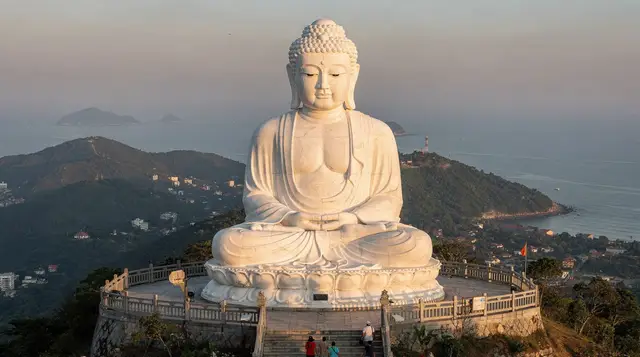
| Kata / Karon | 350-450B (10-13 USD) by Grab | 35-45 minutes | Consider combining with the Big Buddha and Wat Chalong en route |
| Rawai / Chalong | 200-300B (6-9 USD) by Grab | 20-30 minutes | Natural pairing with a south-of-island day |
| Self-drive scooter | 200-300B/day (6-9 USD) rental | Varies | Parking within Old Town’s narrow streets can be tight — a metered car park is more reliable than street parking |
Once you’re in Old Town itself, walking is by far the best way to see it — the core streets are compact enough to cover on foot, and a car or scooter is more hindrance than help navigating the narrow one-way sois. See our getting around Phuket guide for the island-wide picture.
What’s overrated here
A handful of the most Instagram-famous mural spots and shophouse corners get genuinely crowded with people queuing for the same photo, particularly mid-morning when tour groups arrive — if that specific shot matters to you, come early or accept you’ll be waiting in line for it like everyone else. Some of the more heavily marketed “traditional” restaurants directly on the busiest tourist stretch of Thalang Road are priced well above what the same dishes cost a block or two away; walking slightly off the main strip is usually rewarded here more than in most parts of the island.
Where Phuket Old Town fits in a Phuket itinerary
Old Town deserves a full day if you care about architecture, food or coffee, or a half-day as a culture stop combined with the Big Buddha and Wat Chalong on the way. If your trip includes a Sunday, it’s worth arranging your schedule so you’re in Old Town that evening for the Walking Street market rather than missing it by a day. In a 5-day or 7-day itinerary, it typically anchors the “culture day,” and for anyone spending 10 days or more on the island, a slow, unstructured morning of cafe-hopping here is one of the better uses of a flexible day.
Frequently asked questions about Phuket Old Town
Is Phuket Old Town worth visiting if I’m staying on the west coast?
Yes — it’s different enough in character from the beach areas that it’s worth the 30-45 minute drive, and it’s commonly combined with the Big Buddha and Wat Chalong as a half-day culture loop.
When is the Sunday Walking Street Market open?
Sunday evenings, when Thalang Road closes to traffic and fills with food and craft stalls. It’s the single busiest and most atmospheric night to visit Old Town, but also the most crowded.
What is Hokkien mee and where do I find it in Old Town?
A stir-fried yellow noodle dish reflecting Phuket’s Hokkien Chinese heritage, found across many of Old Town’s long-running local restaurants. Alongside moo hong (slow-braised pork belly), it’s one of the dishes most associated specifically with Phuket rather than Thai food generally.
How much time do you need in Phuket Old Town?
A full day if you want to properly cover the architecture, cafes and food; a half-day is enough for a focused walk covering the main streets and a couple of murals if time is tight.
Is the Vegetarian Festival appropriate for visitors to watch?
The processions and food stalls are open to everyone and welcoming to watch. The more extreme rituals — face-piercing and firewalking — are genuine religious practices performed by devotees in a trance state, and some visitors find them difficult to watch; there’s no obligation to view every part of the festival.
Is Old Town walkable, or do I need transport within it?
It’s compact and best explored on foot. Walking covers the core shophouse streets, side-alley murals and cafes comfortably, and a car or scooter is more of a hindrance than a help on the narrow one-way sois.
Are the shophouse buildings still lived in, or are they all shops now?
Both — many ground floors have become cafes, galleries and shops, but a meaningful number of the upper floors and some full buildings remain residential, part of why Old Town still feels like a real neighbourhood rather than a purely commercial district.
Is Phuket Old Town safe to walk around at night?
Yes, generally — it’s well lit along the main streets, has a steady flow of both locals and visitors in the evening, and doesn’t have the aggressive touting or nightlife-related issues found around Bangla Road in Patong. The side sois are quieter after dark, which some visitors prefer to avoid regardless, more from a “keep to where there’s foot traffic” instinct than any specific known risk, and normal city-centre awareness is enough for most visitors.
Can you combine Phuket Old Town with the Big Buddha in one day?
Yes, and it’s one of the more common half-day-plus-half-day combinations on the island — the Big Buddha viewpoint and Wat Chalong in the morning, Old Town’s shophouses and cafes in the afternoon, all within a reasonably compact loop through the centre and south of the island that avoids excessive backtracking.
Do I need a guide to appreciate Phuket Old Town, or is it fine to just walk around?
Walking around independently works well if architecture and atmosphere are enough on their own — the streets are easy to navigate and safe to explore at your own pace. A guide adds the most value for the history behind specific buildings, the meaning of particular murals, and pointing out food worth trying that you might otherwise walk past without knowing what it is, especially on a first visit when it’s hard to tell a genuinely old shophouse from a recent, careful restoration.