Coffee and cafes in Phuket
Where is the best coffee in Phuket?
Phuket Old Town has the highest concentration of genuinely good, independent cafes — restored shophouses on and around Thalang Road and Soi Rommanee, many roasting their own beans. Beach towns like Patong and Karon have plenty of cafes too, but a much higher share of them serve instant or pre-mixed coffee at espresso prices, so it's worth knowing which is which before you order.
Not every “cafe” in Phuket serves real coffee
A sign that says “coffee” in Phuket doesn’t guarantee espresso. A meaningful share of cafes along the beach roads in Patong and Karon run on 3-in-1 instant sachets or pre-mixed syrup bases, priced the same as a cafe pulling proper shots. This isn’t a scam exactly — it’s just a lower-effort, lower-cost setup that most tourists don’t notice or mind — but if you actually care about the coffee, it’s worth knowing where the real scene is, which is overwhelmingly concentrated in Phuket Old Town, not the beach strips.
Old Town: restored shophouses, real roasters
The cluster of cafes around Thalang Road, Soi Rommanee and Dibuk Road is where Phuket’s actual coffee culture lives. Many occupy restored Sino-Portuguese shophouses — the same building style covered in our Sino-Portuguese architecture guide — with high ceilings, louvred shutters and courtyards that stay noticeably cooler than the street outside. A growing number roast their own beans, sourced from Thai highland farms in the north rather than imported, and several double as small galleries or workshop spaces. A flat white or pour-over here runs 80–150 B (2.30–4.30 $), roughly double a beach-road instant coffee but a genuinely different product.
Phuket Old Town half-day sightseeing with local guideCombining a cafe crawl with Old Town sightseeing
Because the best cafes and the most photogenic streets in Old Town overlap almost exactly, a slow cafe crawl doubles as sightseeing without any extra planning. Pair a coffee stop with a walk along the Old Town walking route, or build it around the murals covered in our Phuket street art guide — several of the best-known wall pieces sit a two-minute walk from a decent cafe. If you’d rather have a guide connect the dots for you, a half-day Old Town tour typically threads through the same streets, with time built in for a coffee stop rather than treating it as a rushed photo-only walk.
Hillside and jungle cafes
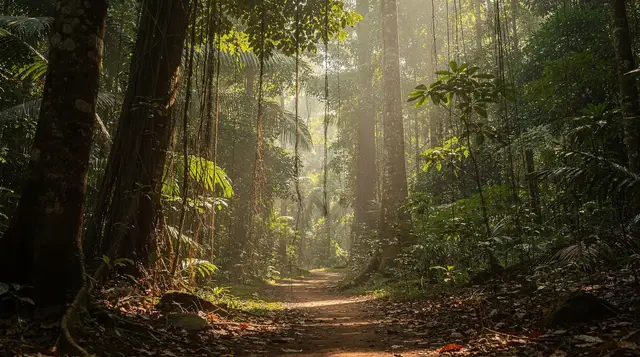
Outside Old Town, a second cafe style has grown around the island’s inland hills — open-air spaces built into jungle terrain near Kathu and the hills above Chalong, often with swings, viewpoints or small ponds as much a draw as the coffee itself. These lean heavily into the “photogenic” side of café culture and the coffee quality varies more than in Old Town; some genuinely roast well, others are running the same syrup-based drinks as a beach cafe with better scenery. Expect 100–180 B (2.90–5.20 $) for a specialty drink, and expect a wait for a table at the best-known spots on weekends.
Third-wave and specialty coffee
A small but real specialty coffee scene has taken hold in Phuket over the past several years — pour-overs, single-origin beans with tasting notes on the menu, and baristas who’ll talk you through the difference between a Doi Chang and a Doi Tung bean if you ask. This scene is almost entirely concentrated in Old Town and a handful of spots near Chalong; you won’t find it on the beach roads. If specialty coffee matters to your trip, plan a morning around Old Town rather than expecting to stumble onto it near your resort.
Phuket Old Town street art walk and tile painting workshopBeach-town cafes: convenience over quality
Cafes in Patong, Karon and Kata mostly exist to serve breakfast to hotel guests and to catch foot traffic between the beach and the shops — convenient, but rarely the destination. There are exceptions, usually run by small independent owners rather than chains, but they’re the minority. If your itinerary keeps you mostly on the west coast beaches, treat coffee there as functional rather than planning around it, and save a proper cafe visit for a day trip into Phuket Old Town or Phuket Town more broadly.
Iced Thai coffee (oliang) — the local default
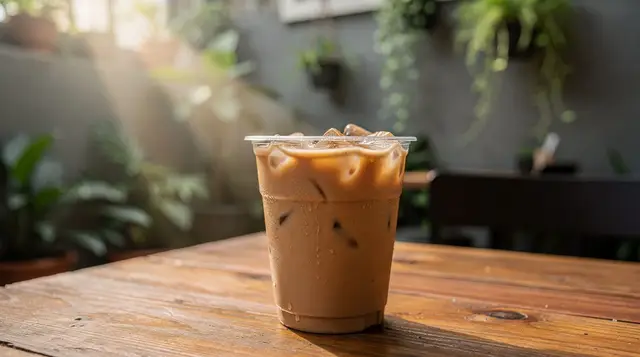
Alongside espresso-based drinks, don’t skip oliang — Thai-style iced black coffee, often brewed with a filter sock rather than an espresso machine, sweetened heavily with condensed milk unless you ask otherwise. It’s what most Thai locals actually order, it’s cheaper than a flat white (25–45 B / 0.70–1.30 $), and it’s worth trying at least once even if your daily order is a normal espresso drink. Ask for “gaafae yen, wan noi” if you want it less sweet than the default.
Phuket batik workshop making and painting classTea, smoothies and other non-coffee options
Not every cafe stop needs to be about coffee. Thai iced tea (cha yen) — strong black tea sweetened with condensed milk, dyed its familiar orange colour by the tea blend rather than any additive — is on nearly every menu alongside coffee, and fruit smoothies made with genuinely fresh seasonal fruit are a reliable, cheap option at both Old Town cafes and market stalls. For a more involved tea experience, a handful of Old Town cafes near Wat Chalong and Thalang Road run proper loose-leaf tea menus alongside their coffee programme, worth seeking out if coffee isn’t your priority but a slow sit-down still is.
Cafe-hopping as a low-key activity on a hot day
Cafe-hopping works well as a buffer activity between more demanding parts of a Phuket day — a stop after visiting Big Buddha or Wat Chalong, or a midday retreat from the heat before an evening at a night market. It’s also a natural fit for photography stops, since Old Town’s restored shophouse cafes are consistently among the more photogenic interiors on the island, without needing to fight beach crowds for a shot. If you’re building a multi-day itinerary, see our Phuket 3-day itinerary for how a slower Old Town morning fits alongside busier beach and island days.
Working from a cafe
Old Town’s cafe scene doubles as an informal co-working hub — several spots have reliable wifi, plenty of power outlets and a tolerance for laptop-heavy afternoons that beach-road cafes generally don’t share, since their turnover model depends on quick breakfast visits rather than long stays. If a work session is part of your plan, an Old Town cafe with a stated laptop-friendly policy will save you the awkwardness of overstaying a table meant for a 20-minute coffee break. Our Phuket digital nomad guide covers longer-term work setups beyond a single cafe afternoon, including which parts of the island have the most reliable internet.
How Phuket’s coffee culture actually developed
Old Town’s cafe boom is relatively recent and tied directly to the same wave of shophouse restoration that turned Thalang Road and Soi Rommanee into a heritage district rather than a fading commercial strip.
As families renovated old Sino-Portuguese buildings — the same architecture covered in our Sino-Portuguese architecture guide — cafes were one of the most common uses for the ground floor, both because the tall-ceilinged shophouse layout suits a relaxed seating cafe well and because a cafe requires less capital to open than a full restaurant. That history explains why so many of Old Town’s best cafes share the same restored-shophouse aesthetic rather than looking like a franchised chain rollout.
Cafes as art and workshop spaces
A number of Old Town cafes double as small galleries, selling local artwork, ceramics or textiles alongside coffee, or hosting occasional workshops — a natural pairing with the neighbourhood’s growing street art scene and craft culture. This is also where a batik or tile-painting workshop and a coffee stop often end up sharing a street, or even a building, since both draw on the same restored-shophouse real estate and the same slower, browsing pace. If you’re planning a workshop visit, it’s worth checking whether it’s paired with or near a cafe worth a stop either before or after.
Seasonal considerations
Phuket’s heat makes an air-conditioned or well-shaded cafe genuinely useful at midday, especially in the hottest months of the dry season (roughly March to May) when outdoor seating areas can be uncomfortable before late afternoon. During the monsoon, Old Town’s covered shophouse arcades — a traditional feature built for exactly this kind of weather — mean a sudden downpour rarely strands you far from shelter, and several cafes have a covered outdoor seating section that stays usable through a rain shower.
Prices, tipping and ordering tips
Coffee prices in Phuket run from roughly 25 B for a basic iced Thai coffee to 150–200 B for a specialty pour-over at a top Old Town roaster — a wide enough range that it’s worth checking a menu before sitting down if budget matters. Tipping isn’t expected at counter-service cafes; rounding up to the nearest convenient note is appreciated but never required. If you take milk, ask specifically for fresh milk (nom sot) rather than condensed, since the default in many local-style cafes is sweetened condensed milk unless you say otherwise.
Thai coffee brands worth recognising
If you’d rather buy beans than drink them on-site, a few Thai highland coffee brands are worth knowing by name when browsing an Old Town roaster’s shelf or a supermarket coffee aisle: Doi Chaang and Doi Tung are two of the best-known highland Thai producers, both grown in the mountainous north rather than on Phuket itself, and both a genuine step up from generic commercial Thai coffee. Some Old Town roasters blend or single-origin these beans themselves rather than simply reselling them, which is worth asking about if you want something the cafe actually roasted in-house. A bag of beans makes a lightweight, non-breakable souvenir — see our souvenirs guide for other options in the same category.
Avoiding the busiest hours
Old Town’s best-known cafes can genuinely fill up, particularly on weekend mornings when the cafe crawl overlaps with visitors doing the same Old Town walking route as everyone else. Arriving before 9am or after 3pm on weekends avoids the worst of it; weekday mornings are consistently the quietest window if your schedule allows it. Hillside jungle cafes see the opposite pattern — quiet on weekday mornings, genuinely crowded by mid-afternoon on weekends, with waits for a table at the most photogenic spots.
Cafes and Phuket’s other Old Town activities
Because Old Town’s cafes, murals, batik studios and heritage buildings all sit within the same compact grid of streets, a coffee stop rarely needs to be planned as a separate outing — it slots naturally into whatever else brings you to the neighbourhood, whether that’s a food tour, a shopping afternoon covered in our shopping in Phuket guide, or simply a walk to see the Sino-Portuguese architecture up close. Treat a cafe stop as a punctuation mark in an Old Town day rather than the day’s sole purpose, and you’ll get more out of both.
A note on hotel and resort coffee
Hotel breakfast coffee and in-room coffee sachets are almost universally the weakest link in Phuket’s coffee scene — functional for a first cup before heading out, but not worth judging the island’s coffee culture by. Even resorts with an otherwise strong food and beverage programme frequently outsource in-room coffee to a generic commercial supplier rather than anything locally roasted. If your hotel’s coffee disappoints, it’s not a sign Phuket lacks good coffee — it’s a sign to walk or take a short Grab ride into Old Town instead.
Solo travellers and cafe culture
For solo travellers, Old Town’s cafes are among the easiest places on the island to sit alone comfortably for an hour — unlike a restaurant table clearly built for groups, a cafe seat with a book or a laptop draws no attention, and staff are generally used to single diners lingering. It’s a low-key way to break up a day of sightseeing or beach time without the social pressure some solo travellers feel at a full sit-down restaurant meal.
Frequently asked questions about coffee and cafes in Phuket
Where is the best coffee in Phuket, in one sentence?
Old Town, specifically the cluster of independent cafes around Thalang Road and Soi Rommanee, has the highest density of cafes that actually roast and pull real espresso rather than serving instant.
Is coffee in Phuket expensive compared to Thailand generally?
Roughly on par with Bangkok’s specialty scene and noticeably more than a rural Thai town, but still cheaper than coffee prices in most Western cities — expect 80–150 B for a proper espresso drink in a good Old Town cafe.
Do Phuket cafes serve oat milk or other alternatives?
Increasingly yes, especially in Old Town’s newer specialty cafes, though it’s rarer at beach-road cafes and usually comes with a small surcharge (15–30 B).
Can I find good coffee near the beaches, or only in Old Town?
Old Town has the concentration, but a handful of independent cafes in Kata, Karon and the quieter parts of the west coast do pull a proper shot — they’re just the exception rather than the norm along the main beach strips.
Is oliang (Thai iced coffee) very different from Western iced coffee?
Yes — it’s brewed strong with a cloth filter and traditionally sweetened heavily with condensed milk, giving it a different body and sweetness than a Western iced americano or latte. Ask for less sugar if you prefer it closer to a standard iced coffee.
Are hillside jungle cafes worth the trip just for the coffee?
Mostly they’re worth it for the setting rather than the coffee specifically — treat them as a scenic stop on a day that includes other inland activities rather than a dedicated coffee pilgrimage.
How early do Old Town cafes open?
Most open between 7am and 9am, catering to both breakfast and the morning cafe-crawl crowd. A handful of specialty roasters open later, closer to 10am, so check hours in advance if an early coffee is part of your plan.
Phuket food & drink tours on GetYourGuide
Verified deep-linked GetYourGuide tours. Book through these links and we earn a small commission at no cost to you.
These are our own photographs of Phuket, not the operator's pictures of this tour — open the tour page to see those.