The best photography spots in Phuket
Chasing light, not landmarks
The postcard shots of Phuket get taken by thousands of phones a day, which is exactly why most of them look flat: harsh midday sun, a haze off the Andaman Sea, and forty people in the frame. The photographers who come away with something worth keeping plan around light and tide, not around a bucket list. That means showing up at Promthep Cape forty minutes before sunset instead of at sunset, walking Phuket Old Town at 7am instead of 4pm, and treating the viewpoints as a schedule, not a stop.
Promthep Cape and the viewpoint road
Promthep Cape, at the southern tip of the island, is the most photographed sunset spot in Phuket, and for good reason: the headland drops straight into the sea, a small lighthouse sits above the point, and on a clear evening the sky over the Andaman goes through orange, pink and a deep blue before it’s fully dark. The problem is the crowd — coach parties, drone pilots and couples doing engagement shoots all converge on the same 20-metre stretch of railing. Arrive an hour early to claim a spot on the rocks below the main viewpoint, away from the car park side, and the frame clears out considerably.
The road up to Promthep also passes the Karon and Kata Beach viewpoint (three tiered platforms looking north over Kata Noi, Kata and Karon), which catches good side light in the late afternoon and rarely gets as busy as the cape itself. A guided small-group sunset trekking tour covers both in one evening with a driver, which matters here — parking at Promthep on a clear-sky evening in high season can add 30 minutes you don’t have before the light goes.
Phuket Old Town before the shutters open
Phuket Old Town is built around Sino-Portuguese shophouses on Thalang Road, Dibuk Road and Krabi Road — pastel facades, shuttered windows, tiled floors visible through open doors. By 10am it’s full of tour groups and parked scooters, which is fine for street life shots but wrecks anything architectural. Before 8am, the street is close to empty, shopkeepers are hosing down the pavement, and the low sun rakes across the building fronts at an angle that makes the street art and shophouse detail actually readable.
The Old Town walking route covers the main strip in about 90 minutes at a photographer’s pace, and a guide who knows Sino-Portuguese architecture will point out doorways and shophouse courtyards that aren’t obvious from the street. If you want portraits rather than architecture, a private photoshoot in Old Town with a local photographer gets you into a couple of the interior courtyards that are otherwise easy to miss.
The headland trail above Freedom Beach
Freedom Beach sits below a headland accessible only by longtail boat or a steep jungle trail, and that trail gives one of the better wide shots on the island: white sand curving between two headlands, with Patong’s high-rises invisible around the point. The trail is unmarked and genuinely steep in places — do it with decent shoes, not flip-flops, and check the route to Freedom Beach before you go, since the trailhead moves depending on construction on the access road.
Big Buddha’s marble glare, and when to avoid it
The 45-metre white marble Big Buddha on Nakkerd Hill reflects a huge amount of light at midday — good for detail shots of the carving, bad for anything with people in front of it, who end up backlit and squinting. Late afternoon softens the glare and adds warmth to the marble. The hill also gives one of the widest island views in Phuket, taking in Chalong Bay, Kata and the Karon coastline in a single frame, which is worth the trip even without the temple itself.
Islands and boat trips: the shots that need a plan
The limestone karsts of Phang Nga Bay and James Bond Island are Phuket’s most dramatic scenery, and they’re genuinely hard to photograph well from a crowded speedboat deck — everyone’s jostling for the same angle as forty other boats converge on the same rock. A private longtail charter costs more but gives you the boat’s position and timing, which matters more than the camera.
Phi Phi and Maya Bay run on strict visitor timeslots since the park reopened with quotas, so check the current entry windows before planning a shot list — the bay is genuinely closed to swimming in sections, and boats are held to a schedule rather than free access.
Sunset from the water
A catamaran or sailing sunset cruise off Chalong or Patong gives a very different set of shots from any beach viewpoint: the sun dropping behind Phuket’s own coastline rather than out over open water, with the island’s hills silhouetted. A couple’s photoshoot at Surin Beach, timed for the last hour of light, is a popular booking for exactly this reason — the beach faces west and the sand stays warm-toned well after the sun itself has dropped.
Night markets and street life
Old Town’s night market and the Sunday walking street on Thalang Road are where the street photography actually happens: food stalls lit by bare bulbs, vendors mid-motion, the kind of frames that don’t work in daylight. A monopod or a fast lens helps more than a tripod here — tripods aren’t practical in a moving crowd, and most markets don’t allow them anyway.
Hiring a local photographer instead of guessing
For portraits, engagement shoots or family photos, hiring a professional photographer at your resort usually beats trying to self-shoot on a phone tripod, mostly because a local photographer already knows which hour the light works at your specific beach and won’t waste your trip finding out. It’s a modest cost against a week of resort fees, and the difference between a competent local shooter and an average one is usually the light they choose, not the gear.
Practical timing that actually works
A short table beats a long explanation here:
| Location | Best time | Why |
|---|---|---|
| Promthep Cape | 30 to 60 minutes before sunset | Crowd peaks at sunset itself |
| Phuket Old Town | Before 8am | Empty streets, low raking light |
| Big Buddha | Late afternoon | Marble glare softens |
| Freedom Beach trail | Mid-morning | Clear light, trail not yet baking hot |
| Phang Nga Bay | Early departure tours | Fewer boats at first stop |
| Night markets | After 6pm | Stalls lit, crowd thickens after dark |
Frequently asked questions about photographing Phuket
Do I need a drone permit in Phuket?
Drones over 250g generally require registration with Thailand’s aviation authority before arrival, and flying is restricted near the airport, over Big Buddha, and over some beaches during peak hours. Rules change; check the current guidance before packing one, rather than assuming a tourist drone is automatically fine.
What’s the best month for clear skies?
November to April is Phuket’s dry season, with the clearest skies and least haze. May to October brings the southwest monsoon, heavier cloud on the west coast, and rougher seas for boat-based shots — see the monsoon season guide before planning an outdoor shoot list around a specific week.
Is Maya Bay still open for photos?
Yes, but on a managed schedule with visitor quotas and swimming restrictions in parts of the bay — it is not a free-access beach anymore. Check current hours in the Maya Bay visiting guide before booking a boat around it.
Are the viewpoints free to visit?
Yes — Promthep Cape, the Kata viewpoint and Big Buddha are all free, donation-based at most. Parking and any transport you book are the only real cost.
Can I shoot inside Phuket’s temples?
Generally yes, but dress modestly with shoulders and knees covered, remove shoes where required, and never turn your back to a Buddha image for a photo. Temple etiquette covers the specifics before you visit Wat Chalong or Big Buddha.
Best day trips from Phuket on GetYourGuide
Verified deep-linked GetYourGuide tours. Book through these links and we earn a small commission at no cost to you.
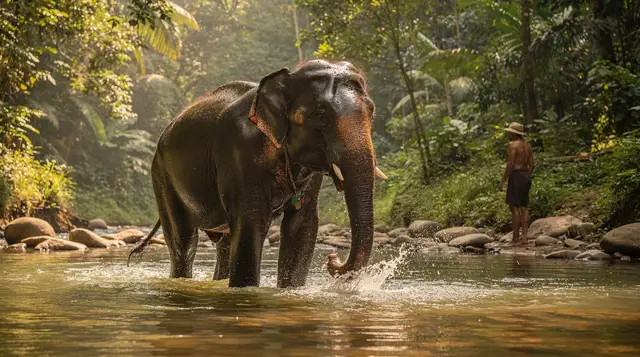
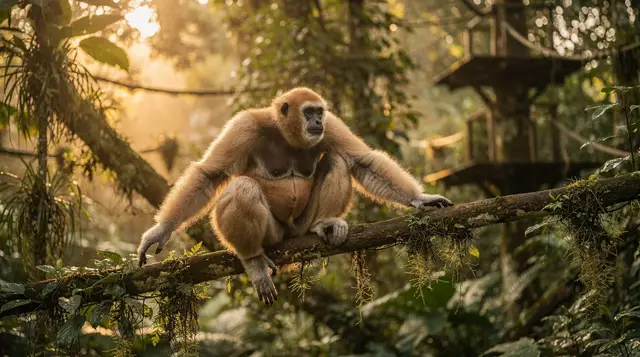
These are our own photographs of Phuket, not the operator's pictures of this tour — open the tour page to see those.