A beach Patong can see but can’t easily reach
Freedom Beach sits in its own small bay just south of Patong, close enough that on a clear day you can make out its white sand from the headland above Patong’s southern end — and yet it stays one of the quietest stretches of sand on this whole coast, because there’s no road that reaches it directly. The hills that separate it from Patong’s high-rises are steep enough that no developer has run a proper access road down to the water, so the beach has kept a wilder, less built-up feel than almost anywhere else within sight of a major resort town.
That gap between “visible from Patong” and “actually quiet” is the whole story of Freedom Beach. It gets busier than truly remote beaches like Nai Thon or Mai Khao because Patong is right there and longtail boats run constantly in season, but it never reaches Patong-beach density because the access bottleneck caps how many people can physically be on the sand at once. Arrive by mid-morning in high season and you’ll share the bay with a moderate scattering of other visitors; arrive by early afternoon on a quiet weekday and you can find genuinely empty stretches of sand.
How to actually get there
By longtail boat (the normal way): Boats leave from the southern end of Patong beach, near where the beach road curves toward the hill. The crossing takes 15–20 minutes. Shared longtails run when they have enough passengers, typically 100–150 B (about $3–4) per person each way in season; chartering a boat privately for your group costs more but gives you control over timing, generally 1,000–2,000 B (about $29–57) for a return trip depending on group size and how hard you negotiate. Boats stop running, or run far less reliably, during rough sea days in the southwest monsoon — check conditions before you commit to a day trip, and always agree a pickup time and confirm it before the boatman leaves.
By road (the harder way): A steep, partly paved and partly dirt track drops down from the hill road south of Patong. It’s technically drivable by scooter or 4x4 in the dry season, but the gradient and surface make it a genuinely bad idea in the rain, and standard taxis generally decline the drive. Some 4x4 taxi and pickup operators in Patong do the run for a negotiated fare, typically higher than the boat once you account for the difficulty of the road. Most visitors, including most locals, choose the boat.
Private longtail hire: If you want to combine Freedom Beach with a wider stretch of coastline in one trip — say, a stop here plus a swim further along the bay — see our private longtail boat hire guide, or read the dedicated guide to getting to Freedom Beach for a fuller breakdown of both routes.
a full-day private longtail charter is the option worth considering if you’d rather not deal with negotiating a one-off crossing — it typically includes a stop at Freedom Beach alongside a couple of other quiet bays along this stretch of coast, with the boat waiting rather than you needing to arrange a return pickup.
What you’ll pay once you’re there
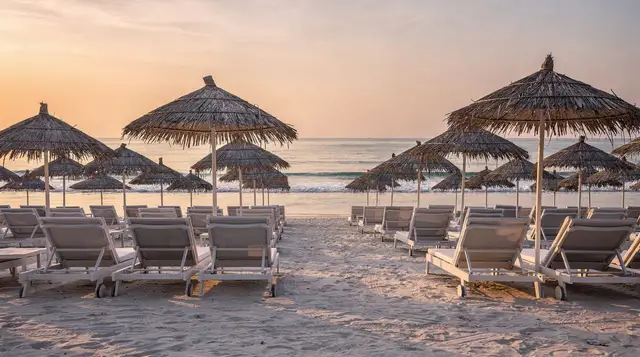
Freedom Beach isn’t run by the national park system, but local operators collect a beach or “environmental” fee from visitors, typically somewhere around 50–100 B (about $1–3) per person, sometimes bundled into the boat fare and sometimes collected separately on the sand. There’s no ATM on the beach, so bring cash. Sun loungers and umbrellas are available to rent from a couple of small operators on the sand, generally 100–200 B (about $3–6) for the day, and a handful of vendors sell drinks, fruit, and simple snacks at prices noticeably higher than you’d pay in Patong — you’re paying for the boat trip that got the goods there too.
There’s no real restaurant here, just informal food and drink stalls, so this isn’t a beach to plan a proper lunch around. Most people either eat before they leave Patong or bring snacks, and treat Freedom Beach as a half-day swim-and-photo stop rather than a full-day base. If a proper sit-down lunch matters more to your day than the swim, a set-menu beach club package on this stretch of coast is a reasonable alternative for a longer, more comfortable lunch than the informal stalls here can offer, with a boat transfer built into the package rather than one you arrange yourself.
Best time of day to go
Morning departures, before roughly 10 am, get you the calmest water for both the crossing and the swim, and the lightest crowds on the sand — the boats fill up steadily through the late morning as Patong wakes up. Midday brings the strongest sun and the busiest stretch of beach, with the fullest crossing of boats running back and forth. By mid-afternoon, numbers thin out again as day-trippers head back for dinner in Patong, which makes the last hour or two before the boats stop running a good window if quiet matters more to you than having the whole afternoon on the sand.
Photographers generally do best early, both for the softer light on the water and for having open sand in frame rather than a beach full of towels and umbrellas. If you’re relying on a shared longtail rather than a private charter, confirm the last return crossing time before you settle in — schedules loosen as the day goes on, and being the last person waiting for a boat back to Patong at dusk is not a position you want to be in.
The beach and the water
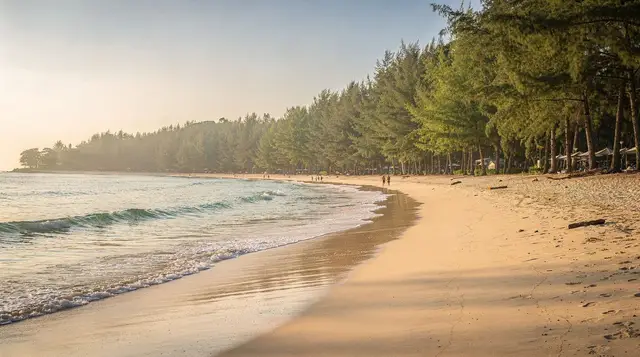
The bay is a tight curve of soft white sand backed by forested hills, with clear turquoise water that’s genuinely some of the best visibility on this side of the island in calm season, since there’s no river runoff and less boat traffic churning the shallows compared with busier piers. The sand shelves gently in most of the bay, making for easy swimming when the sea is calm, though as with any west-facing Phuket beach, conditions change fast with the weather.
There’s limited natural shade beyond the treeline at the back of the beach, so plan for sun exposure through the middle of the day, and bring your own shade if you’re staying more than an hour or two. The bay is compact enough to walk end to end in a few minutes, and while it doesn’t offer much beyond swimming and sunbathing, that’s largely the appeal — no jet skis, no parasail operators, no rows of deckchair touts working the sand.
Sea conditions and safety
Because the crossing itself depends on calm water, Freedom Beach is fundamentally a dry-season destination. From roughly November to April the sea stays manageable for both the boat trip and swimming once you’re there. During the southwest monsoon, May to October, swells build along this whole coast, boat operators may suspend or limit crossings on rough days, and the bay itself can develop the same currents and undertow that make west-coast swimming risky elsewhere on the island. There are no lifeguards stationed at Freedom Beach — read our beach safety and riptides guide before you go, and don’t rely on a beach this remote to have any kind of rescue infrastructure if something goes wrong.
If your dates fall in the wet season, check with your hotel or a boat operator the morning of your trip rather than booking days in advance — conditions can change quickly, and a cancelled or postponed crossing is common enough that it shouldn’t derail your whole day if you have a backup plan.
Should you actually go?
Freedom Beach earns its reputation as one of Phuket’s better “escape Patong” day trips, but it’s worth being honest about what it isn’t. It’s not untouched — in high season it gets a steady stream of boats and day-trippers, and the informal fee and rental setup means it’s commercialised in its own small way. It’s also not a full-day destination on its own: no real restaurants, limited shade, and a finite amount of sand to explore.
What it does deliver is a genuine break from Patong’s density within a 20-minute boat ride, clear water, and a bay quiet enough that you can hear the waves rather than beach bar music. If that trade-off — modest fees and a boat crossing, in exchange for real quiet — sounds worth it, it’s one of the better half-day trips from Patong. If you want the same kind of quiet without the logistics, Nai Harn and Ya Nui further south are reachable by road and deliver a similar calm without the boat fee.
For a wider view of how Freedom Beach stacks up against Phuket’s other quiet options, see our quiet beaches guide, and for something even less visited, compare it against Nai Thon and Layan Beach up on the island’s north coast.
What to bring
Because there’s no real shop beyond a couple of drink and snack stalls, come prepared: cash for the beach fee and any lounger rental, sun protection since natural shade is limited, and reef-safe sunscreen if you plan to swim, since the clear water here does have some live coral and small reef patches at the edges of the bay worth not damaging with standard sunscreen. A dry bag or waterproof phone pouch is worth having for the boat crossing itself, which can get a little splashy even in calm conditions, and closed sandals or reef shoes help on the rockier sections near the headlands if you want to explore beyond the main stretch of sand.
Combining Freedom Beach with the rest of your day
Because the boat crossing is short and the beach itself doesn’t take a full day to see properly, a lot of visitors pair Freedom Beach with something else rather than treating it as a standalone trip. A morning at Freedom Beach followed by lunch and an afternoon back in Patong is the simplest version, letting you use the quieter morning crossing and still have the rest of the day for Patong’s restaurants and shops.
Divers and snorkellers sometimes combine a Freedom Beach stop with a longer boat day further along the coast — see our best snorkelling spots guide for where the visibility and reef quality are strongest if you want to build a fuller day around the water rather than just the beach itself.
Frequently asked questions about Freedom Beach
Is there an entrance fee for Freedom Beach?
There’s an informal beach or “environmental” fee collected by local operators, typically around 50–100 B (about $1–3) per person. It’s sometimes included in a boat charter price and sometimes collected separately once you’re on the sand.
Can I drive to Freedom Beach?
There’s a steep partly paved, partly dirt access road from the hills south of Patong, drivable by scooter or 4x4 in dry conditions but not recommended in the rain. Most visitors go by longtail boat from Patong instead.
How much does the boat to Freedom Beach cost?
A shared longtail runs roughly 100–150 B (about $3–4) per person each way in season. Chartering a boat privately for your group costs more, typically 1,000–2,000 B (about $29–57) return, but gives you control over timing.
Are there restaurants at Freedom Beach?
No proper restaurants, just informal drink and snack stalls at higher prices than you’d pay in Patong. Eat before you leave or bring your own snacks if you’re planning a longer visit.
Is Freedom Beach good for kids?
The gently sloping sand and clear water work fine for children in calm conditions, but the lack of shade, lack of facilities, and the boat crossing itself make it a better fit for older kids and adults than for a family with toddlers.
What’s the best time of year to visit Freedom Beach?
November to April, when the sea is calm enough for a reliable boat crossing and comfortable swimming. Outside that window, in the southwest monsoon, crossings can be delayed or cancelled on rough days.
What’s the best time of day to visit Freedom Beach?
Morning, ideally before 10 am, for the calmest crossing, the lightest crowds, and the best light for photos. The beach fills up through midday and thins out again in the late afternoon.
Is there anywhere to change or shower at Freedom Beach?
No formal changing rooms or showers on the beach itself. Most visitors arrive already in swimwear and rinse off back at their hotel in Patong after the return crossing.
Can I snorkel at Freedom Beach?
There’s some snorkelling around the rocky edges of the bay, with reasonable visibility in calm season, though it’s not a dedicated snorkelling destination the way Coral Island or the Racha Islands are. Bring your own mask and fins if you want to look, since rental gear on the beach is limited.
Is Freedom Beach crowded?
Less than Patong itself, but not empty either, especially between roughly 11 am and 2 pm in high season when the most boats are running. Arriving early or staying until late afternoon gives you the quietest version of the beach.
Do I need to book a boat in advance?
For a shared longtail, no — boats leave from Patong’s southern end throughout the day when they have enough passengers, so you can usually just show up. For a private charter or a full-day tour that includes Freedom Beach as a stop, booking a day or two ahead is worth it in high season, when demand for boats along this coast is genuinely highest and boats can fill up faster than casual visitors expect.