Best snorkeling spots in Phuket
Where's the best snorkeling in Phuket?
Almost nowhere directly off Phuket's own beaches — the water clarity and coral most people picture comes from boat trips to Racha Island, Coral Island, or further out to the Similan and Surin Islands. Ao Sane, a small rocky cove near Nai Harn, is one of the very few genuine shore-snorkeling spots on the island itself, and even that is modest compared to a boat trip.
The honest starting point: Phuket’s own beaches are mostly not snorkeling beaches
Search “best snorkeling in Phuket” and most lists quietly skip past an inconvenient fact: the west coast beaches that most visitors stay on — Patong, Kata, Karon, Bang Tao — are sandy-bottomed swimming beaches with very little coral or reef fish to see from the shore. That’s not a flaw in the beaches; it’s just what they are, shaped by sand and swell rather than fringing reef. If you arrived expecting to walk into the sea outside your hotel and see coral, you’re going to be disappointed, and it’s worth knowing that before you plan your days.
The good snorkeling around Phuket exists, but it’s almost entirely offshore, reached by boat, at islands with less sand movement and less swimmer traffic. This guide covers both sides honestly: the handful of real shore options, and the boat trips that deliver what most people are actually picturing.
Ao Sane: Phuket’s best-kept shore snorkeling secret
If you want to snorkel without a boat, Ao Sane — a small, rocky cove just around the headland from Nai Harn — is the closest thing Phuket has to a genuine shore-access spot with visible coral and fish. It’s a narrow, boulder-strewn inlet rather than an open sandy beach, with patches of coral around the rocks at either end of the cove, decent visibility outside monsoon season, and a noticeably smaller crowd than any of the main beaches nearby. It’s not the Similan Islands — don’t expect the same density of coral or fish — but for a spot you can walk into directly from land, it’s genuinely one of the few worth the detour.
Getting in requires some care over the rocky entry points rather than a clean sandy walk-in, and there’s minimal shade or facilities, so bring your own water and sun protection. Our Nai Harn destination guide covers the wider area if you’re staying nearby.
Freedom Beach: some coral at the edges, worth checking conditions first
Freedom Beach, reachable by boat or a rough track from Patong and Kata, has some coral and rocky structure at the edges of its bay, though the main stretch of sand is a swimming beach rather than a snorkeling destination. It’s worth a look if you’re already there, but it’s not a reason on its own to make the trip. See our getting to Freedom Beach guide for the access options.
Why boat trips are where the real snorkeling is
The islands off Phuket’s coast escape the sand runoff, coastal development, and heavier swimmer traffic that limit visibility and coral health along the mainland beaches, which is exactly why nearly every genuinely good snorkeling experience near Phuket involves a boat. The trade-off is time and cost — a half or full day, and a boat fare — against water quality and coral that’s simply not achievable from any beach on the main island.
Racha Island: the best easily reachable option
Racha Island, roughly 45-60 minutes by speedboat from Chalong Pier, is the most commonly recommended boat-accessible snorkeling destination near Phuket, and for good reason — noticeably clearer water and healthier coral than the closer alternatives, without the multi-hour crossing the Similans require.
a Racha Island snorkeling boat tour is the straightforward version of this trip, while a full-day snorkeling trip covering Coral, Racha, and Maiton islands spreads your time across three spots if you want more variety in a single day. Our Racha Island day trip guide covers the logistics in full.
Coral Island: closer, busier, still decent
Coral Island (Koh Hae) is the closest island option, roughly 20-30 minutes from Chalong or Rawai, which makes it the default half-day choice — but it’s also the busiest, with jet skis and parasailing sharing the same stretch of water as snorkelers. a Coral Island snorkeling and sunset catamaran cruise is a good way to see it with a calmer finish to the day, timed to avoid the middle-of-the-day crowds.
Khai Islands: simple and shallow, good for beginners
The Khai Islands, a small trio of sandy islets roughly an hour offshore, have shallower, calmer snorkeling conditions that suit nervous swimmers or families better than some of the more exposed sites. A standard full-day snorkeling tour covering all three islets is the usual way to visit, departing from Chalong or Rassada Pier.
Similan and Surin Islands: the real upgrade, with real limits
If snorkeling quality is your genuine priority and you’re willing to commit a longer day (or a liveaboard) to get it, the Similan Islands and the Surin Islands further north generally offer the clearest water and healthiest coral within reach of Phuket — a real step up even from Racha.
a Surin Islands snorkeling trip from Phuket covers that northern option, usually run via a longer transfer toward Khao Lak, which is the closer departure point for both island groups. The trade-off is real: longer travel time, higher cost, and a hard seasonal closure roughly mid-May to mid-October for both the Similans and Surins. Our Similan Islands day trip guide covers what that trip actually involves.
Snorkeling vs diving: when to go under the surface instead
If you find yourself wishing you could get closer to what you’re seeing, that’s usually the sign that scuba diving — even just a single beginner try-dive — would suit you better than another snorkeling trip. Our scuba diving for beginners guide and snorkeling vs diving comparison cover how the two compare directly, including cost and what a first dive actually involves.
Best time of year for snorkeling around Phuket
Visibility and sea conditions improve significantly from roughly November through April, when the southwest monsoon has passed and the water calms down across almost every site on this list. From May to October, expect rougher crossings, lower visibility, and — for the Similan and Surin Islands specifically — no access at all, since both close as part of their national park season. See our monsoon season guide and best time to visit guide for how this affects trip planning more broadly.
Marine life worth looking for
Around Racha and Coral Island, expect parrotfish, sergeant majors, angelfish, and clownfish sheltering in anemones in the shallower reef patches, along with the occasional turtle grazing further out. The Similan and Surin Islands, with healthier and more extensive coral, generally show a noticeably higher density of reef fish and better coral colour, which is a large part of why divers and serious snorkelers rate them so far above the closer options. None of these sites reliably deliver whale sharks or manta rays — those are a matter of luck rather than a spot you can plan around — so treat any sighting as a bonus rather than an expectation.
Snorkeling safety basics
A few habits make a real difference to how safe and enjoyable a snorkeling day actually is. Never snorkel alone if you can avoid it — stay within sight of your boat or a buddy, and let the crew know before you get in the water and again when you’re back. Boat traffic is the biggest practical hazard at busier sites like Coral Island, so stay close to the marked or expected swimming area rather than drifting toward open water where jet skis and speedboats operate. If you’re prone to cramping or aren’t a confident swimmer, wear a life jacket even where it isn’t compulsory — it costs you nothing and removes the one risk that turns a minor cramp into a real problem.
Currents can be stronger than they look from the surface, particularly around headlands and the edges of islands rather than in sheltered bays. If you find yourself being pulled away from the boat or shore, the standard advice is to swim across the current rather than directly against it, and to raise an arm and signal for help rather than exhausting yourself fighting it alone. Our beach safety and riptides guide covers this in more depth, and while it’s written primarily for swimming rather than snorkeling, the same current-reading principles apply.
Reef contact is worth avoiding for reasons beyond etiquette — some coral can sting or scrape, and standing on it (even briefly, to rest) damages something that took years to grow. Keep a comfortable distance above the reef rather than skimming close to it, and if you need to rest, signal your boat rather than grabbing onto coral or rock.
A note on fitness and comfort in the water
Snorkeling for several hours, even with breaks, is more physically tiring than it looks from the boat — floating with a mask and fins engages muscles you don’t usually notice, and sun and saltwater add to the fatigue. If you’re not a regular swimmer, pace yourself with breaks back on the boat rather than pushing through discomfort, and don’t feel obligated to stay in the water the entire time just because the boat is stopped for a set duration. A shorter, comfortable swim beats an exhausting one that puts you off snorkeling again on the trip.
A well-fitted mask matters more to comfort than almost any other piece of gear — a mask that leaks or fogs constantly turns an hour of snorkeling into a frustrating chore rather than something you look forward to. If a rental mask doesn’t seal properly against your face when you inhale gently through your nose with it on, ask to try a different size rather than persevering with a bad fit for the rest of the day.
If you snorkel regularly at home and have your own well-fitted mask and snorkel, bringing them in checked luggage is worth the small effort — familiar gear removes one variable from what’s otherwise a new environment, and it avoids relying entirely on whatever fit the rental fleet happens to have available that day. Fins are bulkier to pack and rental quality is generally acceptable, so most travellers leave those at home even if they bring their own mask.
Booking a snorkeling trip: what to check before you pay
Beyond price, check whether snorkeling gear is genuinely included or a paid add-on, how many stops the itinerary actually covers versus how many hours you’ll spend travelling between them, and whether lunch and hotel transfer are bundled in. Group size matters more than most listings emphasise — a boat carrying 40 people snorkeling at once gives you a very different experience from one carrying 12, even at the same destination. If reviews mention crowding or rushed stops, take that seriously; it’s a more reliable signal than the marketing photos.
Snorkeling with kids or nervous swimmers
Calmer, shallower sites — the Khai Islands in particular, and the beach-adjacent shallows at Coral Island — are the better choice for families or anyone nervous in open water, since the entry is gentler and the depth stays manageable close to the boat or shore. Racha and the Similans reward confident swimmers more, since some of the better coral sits a bit further from the immediate drop-in point. Life jackets are standard on all organised tours regardless of swimming ability, so nobody is required to tread water unassisted. See our Phuket with kids guide for how a snorkeling day fits into a family itinerary more broadly.
Travel insurance and snorkeling
Most travel insurance policies cover snorkeling without issue since it’s considered a low-risk activity, unlike scuba diving, which some policies treat separately or exclude at greater depths. Still worth a quick check before you travel, particularly if your trip also includes diving — see our travel insurance for Thailand guide for what to look for.
What to bring on a snorkeling day
Reef-safe sunscreen matters more here than almost anywhere else on a Phuket itinerary, since you’ll be face-down in the water for extended periods with your back exposed to direct sun — a rash guard covers the gap sunscreen alone often misses. Bring your own mask if you have a strong preference for fit, since a leaking rental mask ruins a snorkeling trip faster than almost anything else, and pack a dry bag for your phone if you’re bringing it on the boat.
Frequently asked questions about snorkeling in Phuket
Is there good snorkeling directly off Phuket’s beaches?
Very little. Most of Phuket’s popular beaches are sandy swimming beaches with limited coral. Ao Sane, a small cove near Nai Harn, is one of the few genuine shore-access exceptions, and even it’s modest compared to a boat trip.
What’s the best snorkeling spot near Phuket that doesn’t require a long boat ride?
Racha Island, roughly 45-60 minutes by speedboat from Chalong Pier, offers the best combination of water quality and reasonable travel time among the boat-accessible options.
Do I need to be a strong swimmer to snorkel in Phuket?
No — life jackets are provided on virtually every boat trip, and much of the best snorkeling happens in relatively calm, shallow bays. Basic water comfort is enough for most sites on this list.
Is snorkeling in Phuket good year-round?
Conditions are noticeably better from November through April. During the southwest monsoon (roughly May-October), visibility drops, seas get rougher, and the Similan and Surin Islands close entirely for the season.
Can I snorkel at the Similan Islands directly from Phuket?
Yes, though most trips run via a transfer toward Khao Lak, which is the closer departure point, making for a longer day than a Racha or Coral Island trip.
Is Coral Island or Racha Island better for snorkeling?
Racha generally has clearer water and healthier coral. Coral Island is closer and easier to combine with a shorter day, but it’s busier and shares the water with jet skis and other watersports.
tours.diving-snorkeling
Verified deep-linked GetYourGuide tours. Book through these links and we earn a small commission at no cost to you.
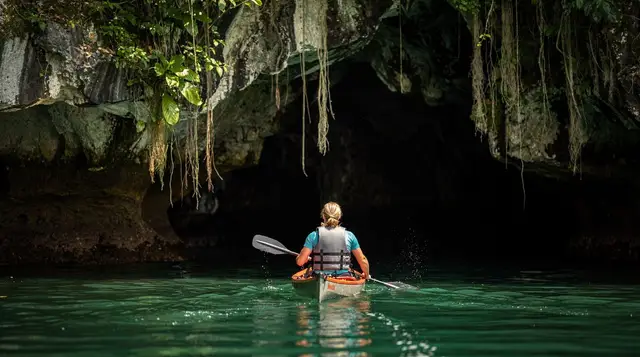
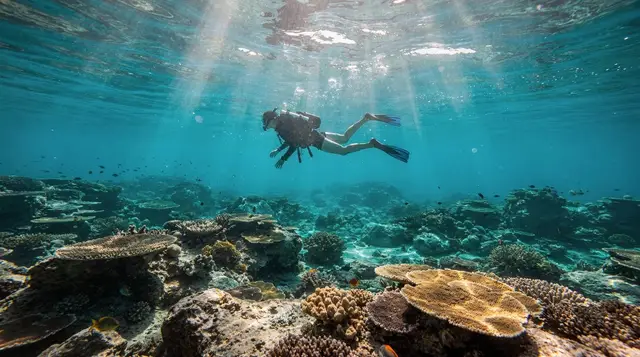
These are our own photographs of Phuket, not the operator's pictures of this tour — open the tour page to see those.