Phuket safety guide — what actually causes injuries here
Is Phuket safe?
Violent crime against tourists is rare. The real risks are road traffic — by a wide margin the leading cause of tourist injury and death on the island — plus sea conditions on the west coast in monsoon season, unlicensed scooter riding, and, less often, alcohol poisoning from counterfeit spirits. Manage those four and Phuket is a low-risk destination.
The real risks aren’t the ones tourists worry about
Ask a first-time visitor what they’re worried about in Phuket and the answer is usually theft, or a bar fight, or something that makes a dramatic headline. The actual risk profile looks different: road traffic accidents, overwhelmingly involving rented scooters, are by a wide margin the leading cause of serious injury and death among tourists on the island, ahead of drowning, ahead of anything violent crime produces. That’s not a reason to stay indoors — it’s a reason to put your attention where the real risk is, which this guide does directly rather than padding out a generic list.
None of this is meant to scare you off a trip to Patong, Kata or Rawai. Millions of visitors have safe, uneventful trips to Phuket every year. The point of a safety guide is narrowing your attention to the handful of things that actually cause harm, so you can manage them deliberately instead of worrying vaguely about everything.
Road traffic — the number one risk by far
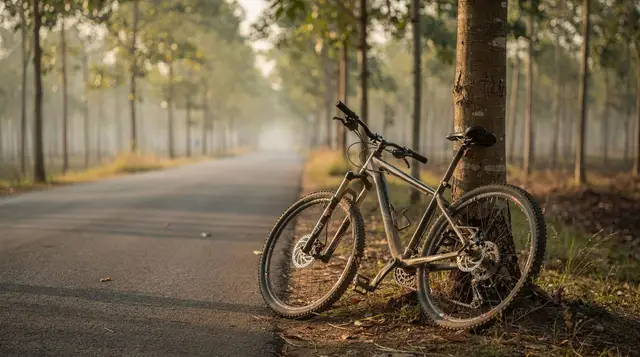
Phuket’s roads carry a mix of scooters, songthaews (converted pickup trucks used as shared taxis), tour vans, and increasingly heavy tourist-season traffic on roads that weren’t built for the volume. Motorbike and scooter crashes make up the large majority of serious tourist injuries on the island, and the pattern is consistent: an inexperienced rider, often without a motorcycle licence valid in Thailand, riding without a helmet or with one unbuckled, on unfamiliar roads, sometimes after a drink, loses control on a curve, at a junction, or braking hard on wet tarmac. Read the full breakdown in the scooter rental guide before you commit to renting one.
If you do rent a scooter: wear a proper, buckled helmet every single time, not just when passing a checkpoint; carry the international driving permit and motorcycle-category licence Thai law and most insurers require; ride defensively assuming other vehicles won’t signal or check blind spots; and treat rain-slicked roads, especially right after the first rain of the day when oil residue rises to the surface, as materially more dangerous than dry ones. If any of that feels like a lot to manage on unfamiliar roads, it’s a legitimate reason to skip the scooter entirely.
Private car or minibus with driver — skip the scooter risk entirelyA private car or van with a driver costs more than a rented scooter but removes the single biggest risk factor on this list outright, and for a family or a group splitting the cost, the gap narrows fast. It’s a genuinely underused option worth pricing against a multi-day scooter rental before you assume the scooter is the practical choice. For getting around day to day without your own vehicle, see getting around Phuket and taxis, tuk-tuks and Grab.
The sea — red flags are not decorative
Drowning is the second major cause of tourist death in Phuket, concentrated almost entirely on the west coast — Patong, Karon, Kata, Kamala, Surin — during the monsoon season from roughly May to October, when the Andaman Sea kicks up strong rip currents that are often invisible from the beach.
Red flags posted on these beaches mean dangerous swimming conditions, not a suggestion; lifeguard coverage is inconsistent outside peak hours and peak season, and a rip current can pull a strong swimmer out faster than most people expect. Full detail, including how to recognise and escape a rip current, is in the beach safety and riptides guide.
The practical rule: check the flag before you go in, don’t swim alone on an empty stretch of beach, and if you’re pulled offshore, swim parallel to the beach rather than straight back against the current until you’re clear of it, then angle in. East-coast waters and most of the sheltered island day trips — Phi Phi, Phang Nga Bay, Coral Island — are generally calmer than the open west-coast surf, which is part of why organised boat trips out of Chalong Pier run through the same months when swimming off Patong is genuinely risky.
Alcohol — the risk most guides skip
Counterfeit and adulterated spirits, sometimes cut with methanol, have caused serious poisoning incidents in Thailand’s tourist areas over the years, and it’s a real enough risk that it’s worth naming directly rather than glossing over. The safest habit is sticking to sealed, branded bottles at reputable bars and restaurants rather than unbranded local spirits or free-pour “buckets” of unknown origin sold cheap on Bangla Road and similar nightlife strips — the ingredients in a bucket cocktail aren’t something you can verify, and price alone doesn’t tell you what’s in it.
Symptoms of methanol poisoning can be delayed by many hours, which is part of what makes it dangerous — confusion, visual disturbance, or severe symptoms appearing well after drinking is a genuine medical emergency, not something to sleep off.
This isn’t a reason to avoid a night out — it’s a reason to be selective about where you drink and what you drink, the same low-effort judgement call that applies to street food or unlicensed taxis. Read more on nightlife specifically in the nightlife etiquette guide.
Stray animals and rabies risk
Thailand is a rabies-endemic country, and Phuket has both stray dogs and habituated monkey troops, most notably around Monkey Hill and the Big Buddha car park — full detail on the monkey-specific risk is in the monkey safety guide (see the ethical elephant sanctuaries guide for the animal-encounter rules that matter across the island).
Any bite or scratch that breaks skin, from a dog or a monkey, needs washing with soap and water immediately and same-day medical evaluation for possible rabies post-exposure treatment — don’t wait to see if symptoms appear, because by then it’s too late for treatment to work reliably. Most street dogs in tourist areas are indifferent to people rather than aggressive, but giving any unfamiliar dog space, especially ones in a pack or guarding a specific street, is a sensible default.
Petty crime and scams — real but manageable
Violent crime against tourists is uncommon in Phuket, but low-grade scams and opportunistic theft are common enough to plan around: bag-snatching from moving scooters, jet-ski deposit disputes, and inflated tuk-tuk fares are the recurring patterns, not muggings or break-ins. This guide focuses on physical safety; the full rundown of scams — including the jet-ski deposit scam specifically — is in the dedicated Phuket scams guide, and it’s worth reading alongside this one before you land.
Basic precautions still apply: wear a bag across your body rather than over one shoulder when walking near road traffic, since bag-snatching from a moving scooter is a real pattern in busier areas; don’t leave valuables visible in a parked rental car or on a beach chair unattended; and use the safe in your accommodation for your passport and spare cards rather than carrying everything at once.
Solo travellers and travelling with family
Solo travel in Phuket, including for women, is generally straightforward in the main tourist areas, with the same common-sense precautions that apply to any unfamiliar destination — sticking to well-lit, populated areas at night, sharing your plans with someone, and being more cautious about accepting drinks from strangers than you would be at home. More detail is in the solo travel guide.
Families should pay particular attention to road safety around drop-off and pickup points, pool and balcony safety at accommodation (not all rentals have rails or fencing to a Western standard), and swimming supervision on unpatrolled beach stretches — see is Phuket safe for families for a fuller family-specific rundown.
Prebooked airport transfer with meet and greetArranging airport pickup in advance, rather than negotiating with touts in the arrivals hall after a long flight, removes one of the more common first-day stress points and is worth doing regardless of how you plan to get around for the rest of the trip — see the airport transfers guide for the licensed options.
Health, hospitals and insurance
Phuket has good private hospital infrastructure by regional standards, including facilities used to treating international patients and travel-related injuries — scooter crashes, marine stings, food-related illness, and monkey or dog bites are all things Phuket’s private hospitals see regularly. Private hospital care isn’t cheap without insurance, so confirm your travel insurance for Thailand actually covers scooter accidents specifically — a meaningful number of travel policies exclude motorbike injuries entirely, or require a valid motorcycle licence for the claim to pay out, which catches out exactly the travellers most likely to need the coverage.
Thailand’s general emergency numbers are worth saving in your phone before you need them: 191 for police, 1669 for medical emergencies and ambulance dispatch, 199 for fire. Confirm these are current when you arrive, since emergency service numbers can be consolidated or updated, and having them saved before an incident happens is far more useful than searching for them mid-emergency.
Water sports specifically
Jet skis, parasailing, and other motorised water activities carry their own accident and dispute risk on top of the general safety picture — jet-ski injuries and jet-ski deposit scams are common enough on Phuket’s beaches that they get their own dedicated guides: see jet skis in Phuket for the activity itself and the jet-ski scam guide for how to avoid the deposit trap specifically.
Guided jet ski tour to nine islands, with lunch and transfersBooking a guided, insured jet ski tour through an established operator, rather than renting loose from a beach vendor, sidesteps both the safety risk of unfamiliar equipment and the deposit-scam risk covered in detail in the dedicated guide.
What to actually do before you land
Sort travel insurance that covers scooter use if you plan to ride, save Thailand’s emergency numbers, note your accommodation’s address in Thai script (useful for taxi drivers and in an emergency), and read the first-time mistakes guide and scams guide alongside this one. None of this takes more than twenty minutes, and it covers the overwhelming majority of what actually goes wrong for visitors here.
Frequently asked questions about Phuket safety
Is Phuket dangerous for tourists?
Violent crime against tourists is uncommon. The real risks are road traffic, particularly scooter accidents, sea conditions on the west coast during monsoon season, and less often alcohol poisoning from counterfeit spirits — all manageable with basic precautions.
What is the biggest safety risk in Phuket?
Road traffic accidents, mostly involving rented scooters, are by a significant margin the leading cause of serious tourist injury and death in Phuket — well ahead of drowning, crime, or animal encounters.
Is it safe to swim in Phuket?
It depends on the beach, the season and the flag posted that day. West-coast beaches during the May–October monsoon season see strong rip currents and red-flag warnings that should be taken seriously; sheltered east-coast and island waters are generally calmer.
Do I need travel insurance for Phuket?
It’s strongly recommended, and worth confirming it covers scooter accidents specifically, since many standard policies exclude motorbike injuries or require a valid motorcycle licence for the claim to be honoured.
Are the monkeys and stray dogs in Phuket dangerous?
They can bite or scratch, and Thailand is a rabies-endemic country, so any bite or scratch needs immediate washing and same-day medical evaluation. Most encounters are avoidable by not feeding animals and keeping a sensible distance.
Is Phuket safe for solo female travellers?
Generally yes in the main tourist areas, with the same common-sense precautions that apply anywhere unfamiliar — well-lit routes at night, sharing your plans, and caution with drinks from strangers.
What are the emergency numbers in Phuket?
Thailand’s general emergency numbers are 191 for police, 1669 for medical emergencies, and 199 for fire. Save them before you need them and confirm they’re current on arrival.
Trip-planning essentials on GetYourGuide
Verified deep-linked GetYourGuide tours. Book through these links and we earn a small commission at no cost to you.
These are our own photographs of Phuket, not the operator's pictures of this tour — open the tour page to see those.