Is Phuket safe for families?
The real risks aren’t crime
Ask most parents what worries them about a Phuket trip and it’s usually vague — “is it safe” without specifying safe from what. Violent crime against tourists is genuinely rare, and it’s not the risk worth planning around. The three things that actually cause problems for families in Phuket are drowning on unguarded beaches, road traffic, and heat or sun exposure with young kids — all manageable with a bit of planning, none of them reasons to avoid the island.
Swimming: the one rule that matters
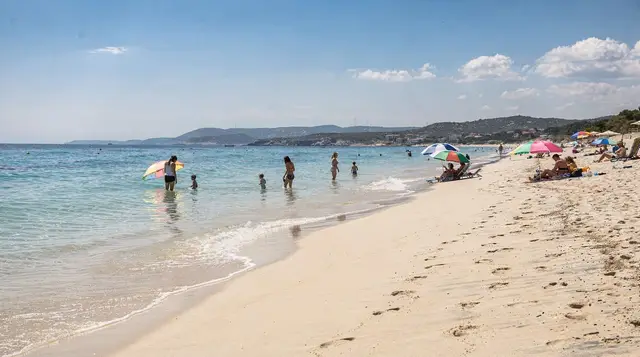
West-coast beaches — Patong, Karon, Kata, Kamala — face open water and can develop strong rip currents, especially during the mid-year monsoon (May to October). Red flags go up on dangerous days, and they are not decorative: drowning is the leading cause of tourist death in Phuket, and it affects confident adult swimmers as much as children.
Beach safety and riptides explains how to read the flags and currents properly. In practice, this means checking the flag before anyone goes in past their knees, and treating a red flag as absolute rather than a suggestion — it applies on calm-looking days too, since rip currents aren’t always visible from the sand.
Which beaches actually suit families
Kata Beach and Karon are the two most commonly recommended family bases — wide sand, a good range of family hotels, and calmer water than Patong on most days, though the same red-flag rules apply in monsoon. Bang Tao and Laguna is the resort-heavy option, with shallow, calmer water and grounds built around kids’ clubs and pools rather than nightlife.
Mai Khao, in the island’s quiet north near the airport, is the least crowded of the main beaches and a nesting site for sea turtles in season, though it has stronger currents than the sheltered bays further south — worth checking the family beaches guide before choosing it for young swimmers specifically.
Traffic is the underrated risk
Phuket’s roads are busier and less predictable than most Western drivers or pedestrians expect — scooters weaving between lanes, few pedestrian crossings that are actually respected, and pavements that disappear without warning. This matters more for families than for solo travellers, since it’s easy to be managing kids’ attention and miss a scooter coming the wrong way down a soi.
Renting a scooter with young children on board is a genuinely bad idea regardless of experience — Thailand’s road death rate is high by international standards, and the risk sits mostly with two-wheeled vehicles. Getting around Phuket covers safer transport options; taxis, Grab and hotel transfers cover almost every family itinerary without needing a scooter at all.
Monkeys, and why not to feed them
Long-tailed macaques around Promthep Cape, some temple grounds and a few roadside spots are used to tourists and will approach for food — and they can scratch or bite if a child holds food out and then pulls back. Monkeys in Phuket: safety covers this properly, but the short version for families is simple: don’t feed them, don’t let kids get close for photos, and keep food and plastic bags out of sight around known monkey areas.
Sun, heat and hydration
This is the most common actual injury families deal with in Phuket, and it’s entirely preventable: Phuket sits close to the equator, UV is intense even on cloudy days, and midday heat (roughly 32-34°C / 90-93°F in the dry season) hits young kids faster than adults notice in themselves. Plan outdoor activities for morning or late afternoon, reapply sunscreen more often than feels necessary, and treat the midday hours as pool or air-conditioning time rather than sightseeing time.
Activities that are actually built for kids
Phuket has a genuine range of family attractions beyond the beach. Andamanda, Phuket’s large water park, is a full-day option with a ticket and optional transfer that removes the parking hassle; Splash Jungle in the island’s north is smaller and less crowded, with a straightforward entry ticket.
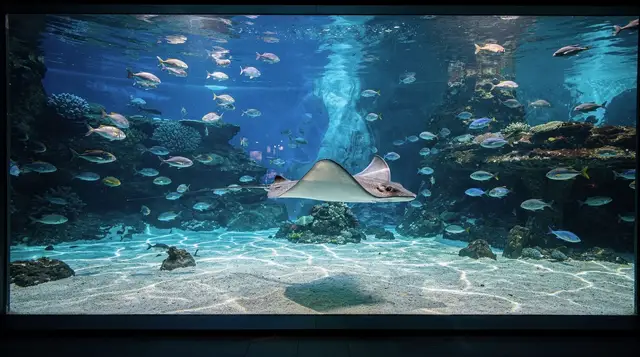
For a rainy or too-hot afternoon, rainy-day activities in Phuket and the island’s aquarium and indoor attractions — including a day at Aqua Circus — cover the indoor options worth knowing about before the weather forces the decision.
Ethical wildlife, done right
If elephants are on the list, stick to observation-only sanctuaries — no riding, no bathing shows performed on command — which is both the ethical standard and, for families, the safer one: riding platforms carry real injury risk that observation-based visits don’t. A visit to an ethical elephant sanctuary with transfer included is a straightforward way to see elephants responsibly without arranging transport yourself. Ethical elephant sanctuaries in Phuket explains what to look for if you’re booking independently.
Healthcare, in plain terms
Phuket has several private hospitals used to treating tourists, including pediatric care, and standards are generally good — better, in most respects, than what many visitors have at home in terms of appointment speed. Bring travel insurance regardless; private hospital costs add up quickly without it, and travel insurance for Thailand is worth reading before you go rather than after something happens.
Babies and very young children
Phuket is genuinely manageable with a baby — most hotels stock cots on request, pharmacies carry recognisable formula and diaper brands, and the heat is the main adjustment rather than any specific hazard. Travelling to Phuket with a baby covers the practical side: what to pack, which beaches suit a stroller, and how to plan around nap schedules against flight and transfer times.
A five-day shape that works
For families building a first trip, the five-day family itinerary is built around exactly this balance — a calm home beach, one water park day, one cultural half-day, and no scooters anywhere in the plan.
Frequently asked questions about family safety in Phuket
Is tap water safe for kids to brush teeth with?
Most hotels advise bottled water for drinking and brushing teeth, out of caution rather than a specific known risk — it’s cheap and widely available, so there’s little reason not to.
Do we need malaria tablets for Phuket?
Phuket itself is generally considered very low risk for malaria, though mosquito-borne dengue fever is a real, separate concern — pack repellent and check current health advisories before travel rather than relying on general assumptions.
Are there lifeguards on Phuket’s beaches?
Some main beaches have seasonal lifeguard coverage, but not all, and not at all hours — never treat lifeguard presence as guaranteed, and always check the flag system regardless.
What’s the best area to base a family with toddlers?
Bang Tao/Laguna and Kata are the two most commonly recommended for young children specifically, mainly for calmer water and resort infrastructure geared toward families.
Is Phuket too far / too long a flight with young kids?
That depends entirely on your starting point and your kids, not on anything specific to Phuket — but once there, the island itself is easy to navigate with children in a way that offsets a long flight for many families.
Family-friendly tours
Verified deep-linked GetYourGuide tours. Book through these links and we earn a small commission at no cost to you.
These are our own photographs of Phuket, not the operator's pictures of this tour — open the tour page to see those.