Best family beaches in Phuket
What is the safest, most family-friendly beach in Phuket?
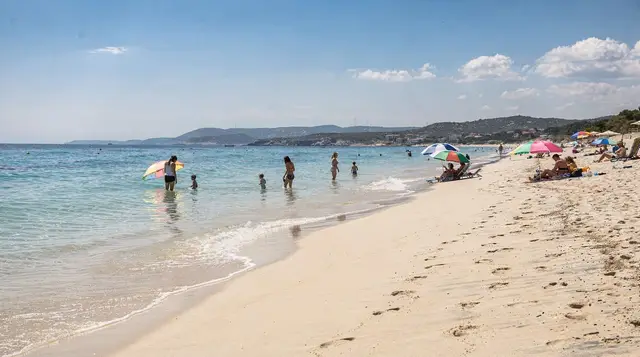
Kata Noi, Nai Yang and Bang Tao consistently come out ahead for families — gentler slopes into the water, less persistent current in normal conditions, and enough shade from casuarina trees to matter with young kids. None of that removes the need to check flag conditions daily, especially outside the dry season.
What actually makes a beach family-friendly
A beach’s reputation for scenery doesn’t tell you much about whether it’s a good match for young kids. What matters is the slope into the water, how quickly it drops off, whether there’s a persistent current even in calm-looking conditions, and how much natural shade exists back from the waterline. A handful of Phuket beaches score well on all four; several of the island’s most photographed beaches don’t, and it’s worth knowing which is which before assuming any west-coast beach works equally well with children.
Kata Noi — the small cove that works
Kata Noi is a smaller, quieter cove just south of the main Kata Beach stretch, separated by a headland, and it’s a genuine step down in intensity from its bigger neighbour — less crowded, a gentler general slope, and a scale that makes it easier to keep an eye on kids without them disappearing into a long stretch of sand. It still sits on the exposed west coast, so the same monsoon-season caution applies as everywhere else on that side of the island: check flags before assuming it’s calm just because it’s smaller.
Nai Yang — space, shade and a national park setting
Nai Yang in the north of the island combines a long, relatively flat beach with genuine shade from casuarina trees running along much of its length — a real advantage in the middle of the day when shadeless beaches become uncomfortable fast with young kids. It sits within Sirinat National Park, keeps a noticeably calmer, more local atmosphere than the central west-coast resorts, and its position near Phuket International Airport makes it a practical base for families on tighter connection windows too.
Bang Tao — resort infrastructure built around families
Bang Tao and Laguna is Phuket’s largest integrated resort area, and the beach itself is long and gently shelving, generally calmer than the busier central beaches further south. What sets it apart for families specifically is the resort infrastructure built up behind it — pools, kids’ clubs and restaurants within a short walk of the sand — which matters as much as the beach conditions themselves when travelling with young children who won’t spend an entire day in the water.
Phuket: Stand-up paddleboard experiences at Bang Tao beachMai Khao — beautiful, but read this first
Mai Khao, the island’s longest beach in the far north, deserves an honest caveat rather than a blanket recommendation: it’s genuinely striking and much less crowded than the central resorts, but the water can carry a stronger undertow than its calm appearance suggests, and it’s largely unpatrolled. It’s also a protected sea-turtle nesting site during cooler months, when sections may be roped off — worth checking before planning a beach day there specifically. Treat Mai Khao as a beautiful walking and photo beach with families, and be more cautious than usual about how far into the water young kids go.
What to skip, or approach carefully, with young kids
Patong and central Karon can have stronger currents and steeper drop-offs at points along their length than their family-friendly reputation suggests, and Patong specifically carries the added factor of jet-ski traffic close to shore in places, which isn’t ideal with small children in the shallows. Neither is off-limits, but neither is the first choice either when a genuinely calmer alternative like Bang Tao or Nai Yang is realistically nearby.
Flags are not decorative
This is worth repeating on every beach page that touches swimming, because it’s the single most important safety fact on the island: drowning is the leading cause of tourist deaths in Phuket, and red flags mean don’t swim, full stop — not “swim carefully.” Conditions can flip from calm to dangerous within a season, and during the monsoon months from roughly May to October, the west coast sees rip currents strong enough to overpower confident adult swimmers, let alone children.
Lifeguard coverage, where it exists at all, is inconsistent outside the busiest beaches and often absent altogether at quieter ones. Check flags on arrival every single day rather than assuming yesterday’s calm conditions still hold — see beach safety and riptides for the fuller detail.
Shade, timing and avoiding the worst heat
Even on a genuinely family-friendly beach, the middle of the day between roughly 11am and 3pm brings the most intense sun with the least natural relief on beaches lacking tree cover. Nai Yang’s casuarina-lined stretch is the clearest advantage here; on beaches without much natural shade, bringing a beach tent or renting an umbrella from a beach-chair vendor makes a bigger practical difference than sunscreen alone. For the mechanics of chair and umbrella rental across the island, see beach chairs and rules in Phuket.
A gentle introduction to the water for younger kids
For families wanting to add a structured water activity rather than just swimming, a beginner surf lesson pitched specifically at kids and families is available on some of the calmer beaches, using soft-top boards and gentle white water rather than open swell — a good low-pressure way to get younger kids comfortable and confident in the sea under supervision.
Family surf lesson in Phuket, ThailandCapturing the day
If a family beach portrait is part of the plan, several photographers work specifically around Phuket’s calmer beaches and resorts, timing sessions for the softer light of early morning or late afternoon rather than the harsh midday sun — worth booking a day or two ahead rather than approaching someone on the sand.
Phuket: Hire a professional photographer at your own resortPairing a beach day with something else
A family beach morning pairs naturally with an afternoon at a water park or an indoor stop if the heat or a rain shower cuts the beach day short — see Phuket with kids for how to structure a full day or trip around that rhythm.
Quieter alternatives for families who want fewer crowds
For families comfortable with a slightly less developed setting in exchange for more space and quiet, Layan Beach at the northern end of the Bang Tao/Laguna stretch and Nai Thon further north again both offer calmer, less commercial alternatives with a similar gentle profile to Bang Tao but noticeably fewer people. The trade-off is fewer restaurants and facilities directly on the beach itself, so these work better for families staying nearby already rather than as a special day-trip destination requiring a longer drive with young kids in tow.
Amenities that matter more with kids than adults
Beyond the sand and water itself, a handful of practical amenities make a real difference travelling with children: clean, accessible toilets and showers, shade structures beyond what a beach umbrella provides, and food options within a short walk rather than requiring a drive back to the hotel for lunch. Bang Tao and Kata Beach both score well here given the density of resorts and restaurants directly behind the beach; Nai Yang, while excellent for shade and space, has fewer beachfront dining options directly on the sand itself, which is worth planning around with snacks or an earlier lunch.
Jellyfish and other marine hazards
Jellyfish stings, while not a daily occurrence, do happen periodically on Phuket’s beaches, and some seasons and locations see more than others — beach operators and lifeguard posts, where present, will usually post a warning flag or sign if there’s a known issue on a given day. Box jellyfish, while rare, carry genuine medical risk, so if any warning sign is posted, treat it seriously rather than assuming it’s overly cautious. Vinegar, where available at beach-safety stations, is the standard first response for a jellyfish sting rather than fresh water, which can worsen certain types of sting.
Renting beach equipment
Sun loungers and umbrellas are available to rent by the pair at most of the beaches covered here, generally through the same operators who run the beachfront restaurants and bar stalls. Pricing is broadly similar across the main beaches, and renting for a half or full day is usually more comfortable than trying to manage towels and shade equipment yourself with young kids and beach bags. Inflatables and snorkelling gear are also commonly available for rent at kiosks along the busier beaches, useful for a spontaneous water-play session without needing to pack your own gear from the hotel.
Timing a beach day around tides and sun
Phuket’s tidal range is modest compared with some coastlines, but low tide does expose more sand and can create shallower, calmer pools in places that suit very young kids better than a high-tide beach with a steeper immediate drop. Checking a tide chart for the specific day, alongside the flag conditions, adds a useful extra layer of planning for families with toddlers who benefit from the shallowest possible water. Combined with avoiding the harshest midday sun window, a mid-morning or late-afternoon beach session, timed around a favourable tide, tends to be the most comfortable option overall.
What locals actually recommend to visiting friends with kids
Long-term residents and expat families on the island tend to converge on a similar shortlist when friends visit with young children: Bang Tao or Kata Beach for the combination of calm water and easy access to food and facilities, Nai Yang if a quieter, more local atmosphere matters more than convenience, and a genuine willingness to skip a swim entirely on any day the flags are red, regardless of how the trip is scheduled. That last point in particular is worth taking seriously — no beach itinerary is worth overriding a red-flag warning for.
Reaching quieter beaches without a scooter
Several of the calmer, less crowded beaches mentioned here — Layan and Nai Thon in particular — sit further from the main resort clusters, which raises the question of how to get there without renting a scooter, generally a poor choice for a family with young kids given Phuket’s traffic. Grab, taxis and pre-arranged resort transfers all cover these routes reliably, and pre-booking a return transfer for a specific pickup time removes the uncertainty of finding a ride back from a quieter beach with less passing traffic than the main strips. See getting around Phuket for the fuller comparison of transport options.
A practical packing list for a family beach day
- Reef-safe sunscreen and a sun hat for every member of the group, reapplied through the day
- A beach umbrella or shade tent for beaches without natural tree cover
- Plenty of water — dehydration develops faster in young kids than adults often notice
- A basic first-aid kit for scrapes, jellyfish stings and minor cuts on coral or rock
- Water shoes if anyone in the group has sensitive feet on hot sand or uneven entry points
How these beaches compare to Phuket’s most photographed spots
Some of Phuket’s most-photographed beaches — sections of Patong, parts of Kamala at sunset — earn their reputation for scenery rather than for being especially practical with young kids. The beaches recommended in this guide prioritise a different set of criteria entirely: slope, current, shade and amenities over sheer visual drama. It’s entirely possible to combine both on one trip — a scenic sunset stop at Promthep Cape or a photo session at Surin Beach alongside the calmer, more practical beaches for actual swimming time with kids.
Frequently asked questions about family beaches in Phuket
Which Phuket beach has the calmest water for kids?
Kata Noi, Nai Yang and Bang Tao are the most consistently recommended for gentler slopes and generally calmer conditions, though “calmest” still depends on daily flag conditions rather than the beach’s general reputation.
Is Mai Khao safe for children to swim at?
Approach it more cautiously than its calm appearance suggests — the undertow can be stronger than expected and it’s largely unpatrolled. It’s a better fit as a walking and photo beach with kids than a primary swimming spot.
Do Phuket’s family beaches have lifeguards?
Coverage is inconsistent and often absent outside the busiest central beaches. Don’t assume any beach, family-friendly or not, is actively supervised — check for flags and posted warnings instead.
Is Patong beach okay for young kids?
It’s not the first choice — stronger currents at points along its length and jet-ski traffic close to shore make it less ideal than calmer alternatives like Bang Tao or Nai Yang for young children specifically.
When is the safest time of year to swim with kids in Phuket?
The dry season, roughly November to April, brings calmer west-coast seas overall. During the May-to-October monsoon, rip currents become a real risk on exposed west-coast beaches regardless of how calm the surface looks.
Are there shaded family beaches in Phuket?
Nai Yang stands out for its casuarina-tree shade running along much of the beach. On beaches without much natural cover, renting a beach umbrella or bringing a pop-up tent is worth the small cost.
Family-friendly tours
Verified deep-linked GetYourGuide tours. Book through these links and we earn a small commission at no cost to you.
These are our own photographs of Phuket, not the operator's pictures of this tour — open the tour page to see those.