Phang Nga Bay sea canoe guide
Do you paddle the canoe yourself in Phang Nga Bay?
Usually not — at most operators, a local guide sits at the back of the inflatable canoe and does the paddling, timing each entry into the sea caves and hongs to the tide, while you sit and take in the caves.
What a “hong” actually is
A hong (from the Thai word for “room”) is a hidden lagoon enclosed inside a limestone karst, open to the sky but reachable only through a low, narrow sea cave that floods at high tide and clears near low tide. Phang Nga Bay, north of Phuket toward the mainland, has dozens of these tucked inside its roughly 40 islands, and sea canoeing is the only practical way to reach most of them — the cave mouths are too low for a longtail or speedboat to enter, and too tight and tidal for casual swimming access.
The result, once you’re through the tunnel, is a startling change of scene: a still, green-walled pool, often with mangroves growing inside, cut off from the open bay and audibly quieter than the water you just left.
This is the appeal that separates a Phang Nga sea canoe trip from most other Phuket boat excursions — it’s less about a beach or a view from a boat and more about a short, guided adventure into somewhere you genuinely couldn’t get to otherwise.
The detail most people don’t expect: a guide paddles for you
Nearly every operator running sea canoe or “sea kayak” trips into Phang Nga Bay uses two- or three-person inflatable canoes with a local guide sitting at the back, paddling and steering, while passengers sit in front. This isn’t a downgrade — the guides know exactly when a given cave clears the tide, how to duck under low ceilings, and which hongs are worth entering that day — but it does mean this is not the self-directed kayaking experience some travellers expect from the marketing photos.
If paddling yourself matters to you, ask specifically before booking; a minority of operators offer self-paddle canoes or standalone kayak rentals, but tight caves with low ceilings are usually guide-only regardless of what package you book, for safety reasons tied to timing the tide correctly.
Why the tide controls the whole day
Cave entries into the hongs are only passable within a window either side of low tide, when there’s enough clearance between the water surface and the cave ceiling for a canoe (and the heads in it) to pass through without ducking underwater. Tour operators plan their day around the tide table, not a fixed clock time, which is why departure times for the “same” tour can shift by an hour or two from one booking date to the next. If a trip’s marketed departure time looks unusually early or late compared with similar tours, it’s very likely tide-driven rather than arbitrary. At the wrong tide, some hongs simply aren’t enterable that day, and a good guide will substitute an alternative rather than force the attempt.
Phang Nga Bay and canoeing tour by big boatBig boat with canoe add-on vs dedicated canoe tour
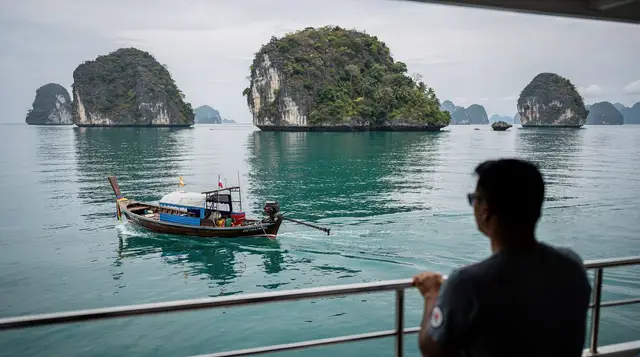
Most Phang Nga canoeing is sold as an add-on to a broader bay tour that also includes James Bond Island and often Koh Panyi floating village, using a big boat as the mothership: it cruises between karsts, then anchors near a cluster of hongs while smaller canoes are launched from the deck.
A smaller number of specialised operators run canoe-focused trips with less time spent on the boat-touring stops and more time in the water, sometimes including night or “starlight” canoeing to see bioluminescent plankton glow in the paddle wake after dark. If canoeing is your main reason for the day rather than a bonus activity, look specifically for a canoe-first itinerary rather than a general bay tour with canoeing tacked on at the end, when time and tide can squeeze it out.
The national park fee
Phang Nga Bay canoe tours run inside Ao Phang Nga National Park, and the entrance fee is charged separately from the tour price on nearly every operator — budget around 300 THB (roughly $8–9) per adult, sometimes with a small additional canoe-use charge folded in, paid in cash on board. This is the same pattern across almost all boat excursions from Phuket; see the James Bond Island tour guide and Maya Bay visiting guide for the equivalent fees on those routes. Bring small baht notes.
What’s included and what isn’t
- Usually included: the canoe, a paddling guide, a life jacket, and transport from the pier by big boat or longtail.
- Usually NOT included: the national park fee, and hotel pickup on some budget listings.
- Sometimes an extra: night/starlight canoeing for plankton viewing is typically a separate evening tour rather than an add-on to a daytime trip.
What to pack
- A dry bag — you will get wet, both from paddle splash and from ducking through low cave mouths
- Water shoes or old sandals with a strap, useful when transferring between the big boat and the canoe
- A change of clothes for the ride back
- Reef-safe sunscreen or a rash guard; there’s minimal shade once you’re on the water
- Cash in small notes for the park fee
Best time to go
Morning tours generally have calmer water and better light for photographing the karsts, but the honest answer is that tide, not time of day, decides which hongs are accessible on a given date — a well-run operator will already have built its schedule around this. Across the year, November to April brings the driest, clearest conditions; roughly May to October sees more rain and occasional itinerary changes, though Phang Nga Bay’s shelter from open swell means it’s more resilient to rough weather than an open-water route like Phi Phi or the Similan Islands.
Who should skip this trip
Anyone with claustrophobia should think carefully before booking — some hong entries involve lying back in the canoe with only inches of clearance above your face for several seconds while the guide paddles through. It’s brief, and guides will not force an entry that looks unsafe, but it can be an unpleasant surprise if you were not expecting it. Travellers who specifically want to paddle themselves rather than be paddled should confirm the self-paddle option exists first. And if you get little enjoyment from being in a boat for most of a day, a shorter, land-based Phang Nga viewpoint stop or a focused James Bond Island trip without the canoe add-on may suit better.
How this compares with other water activities near Phuket
Sea canoeing through the hongs is a slower, more contemplative activity than most of what’s on offer around Phuket — closer in pace to sea kayaking elsewhere on the island than to a speedboat-driven island-hopping day.
If you’ve already tried general sea kayaking and want the specific hong-and-cave format Phang Nga Bay is known for, this is the trip; if you just want to paddle around calm water without the tidal planning and guide-led caves, ordinary sea kayaking near Rawai or Chalong is a simpler, cheaper option. For underwater visibility rather than cave scenery, best snorkelling spots in Phuket covers where the canoeing itinerary’s brief snorkel stops rank against dedicated snorkelling trips.
Booking tips specific to canoe tours
Read the stop list on the listing carefully — “Phang Nga Bay tour” and “Phang Nga Bay canoeing tour” are sold under near-identical names, but the amount of actual canoe time varies a lot between them. If canoeing is the reason you’re booking, look for language like “canoe included” or a stated duration in canoes, not just “James Bond Island and canoeing” in the title, since some budget listings treat the canoe stop as a brief 15-minute add-on squeezed in alongside a longer general boat tour. Confirm the group size per canoe too — two adults per canoe with the guide is standard, but some operators run three-person canoes that feel cramped once you’re bent low through a cave mouth.
Who tends to enjoy this trip the most
Photographers and anyone who likes a slower, quieter pace tend to rate the hongs highly — the enclosed lagoons are genuinely unlike anything else easily reached from Phuket, and the contrast between the open bay and the sealed-off stillness inside is part of the appeal. It also tends to suit travellers who’ve already done a faster-paced island-hopping day and want something different for a second or third excursion, rather than being most people’s very first Phuket boat trip.
Where the transfer starts and how long the day runs
Like the James Bond Island tour it’s usually bundled with, a Phang Nga Bay canoe trip typically starts with a road transfer of roughly 1–1.5 hours from your Phuket hotel to a pier near Phang Nga town, since the bay sits north of the island close to the mainland rather than being reachable directly from a Phuket pier. A canoe-focused full-day tour with lunch commonly runs eight to nine hours door to door once the transfer, boat cruising, canoeing and return trip are all added up — plan the rest of your day around an evening return rather than expecting to be back by early afternoon.
What first-timers get wrong about the caves
The most common surprise isn’t the paddling, it’s the physical sensation of ducking through a low cave mouth: some entries require lying back flat in the canoe with your face only a hand’s width from the rock ceiling for several seconds of darkness before the passage opens into a hong. Guides handle the technical side entirely, but knowing this in advance — rather than discovering it mid-cave — makes a real difference to how comfortable the experience feels, particularly for anyone who hasn’t done anything similar before. It’s also why life jackets stay on throughout, even though hands and knees, not swimming ability, matter most in the caves themselves.
What surprises visitors most, in their own words
Feedback on this trip tends to cluster around two things: how much calmer and quieter the hongs feel compared with the open bay just outside them, and how brief the actual paddling time can feel on a bundled big-boat tour if you were expecting a full afternoon in a canoe. Both points come back to the same advice — check the stated canoe duration before booking, and pick a dedicated canoe-focused operator over a general bay tour if the hongs, rather than the boat cruise past the karsts, are the part you’re most looking forward to.
A final practical note on group size
Solo travellers and couples are usually paired into a canoe with the guide without issue on shared tours, but if you’re travelling as a larger group and want to stay together through the caves, ask whether multiple canoes can be timed to enter a hong back-to-back — cave entries are sometimes staggered one canoe at a time for safety, which can briefly separate a group inside the same hong rather than everyone arriving together.
Fitness and mobility considerations
You don’t need to be a strong swimmer or particularly fit to enjoy this trip — the guide does the paddling, and life jackets stay on throughout — but you do need reasonable flexibility to lie back and duck through the lowest cave entries, and the ability to climb in and out of an inflatable canoe from a moving boat platform, which can be awkward for anyone with limited mobility or a bad back. If that’s a concern, ask your operator how canoe transfers work on their specific boat before booking, since setups vary between a simple side-step onto the canoe and a small ladder descent.
Lunch and food on this route
Full-day canoe combo tours typically include lunch, either a buffet on the mothership boat or a meal at Koh Panyi floating village if that’s on the itinerary. Half-day, canoe-only tours generally don’t include a meal, so check the listing and eat before departure or bring a snack if your trip runs through midday without a scheduled lunch stop.
Frequently asked questions about Phang Nga Bay sea canoeing
Do I paddle the canoe myself?
At most operators, no — a local guide sits at the back and paddles while you sit and take in the caves and hongs. A minority of operators offer self-paddle canoes; ask specifically if this matters to you.
Why do cave entries depend on the tide?
The cave mouths leading into the hongs are only clear of the water at certain tide levels. Too high, and there’s no air gap to pass through; the tour’s timing is built around the local tide table rather than a fixed clock hour.
Is the national park fee included?
Almost never in the base tour price. Budget around 300 THB (about $8–9) per adult, in cash, paid on the day.
Is sea canoeing in Phang Nga Bay safe for non-swimmers?
Yes, in general — you wear a life jacket throughout and the guide does the paddling and steering, including through the caves. It’s not a swimming activity by default.
How long does the canoeing portion actually last?
On a bundled big-boat tour, typically 30–60 minutes of actual canoe time across one or two hong entries. Dedicated canoe-focused tours spend longer, often 1.5–2 hours in canoes.
Can I do night canoeing to see the glowing plankton?
Yes, some operators run dedicated evening “starlight” canoe tours where paddle movement stirs up bioluminescent plankton. This is typically a separate booking from a daytime hong tour, not an add-on to it.
Is this trip combined with James Bond Island?
Very often, yes — most Phang Nga Bay itineraries bundle canoeing with a stop at Koh Tapu (James Bond Island) and sometimes Koh Panyi floating village in the same day.
What should I wear for sea canoeing?
Quick-dry clothing, water shoes or secure sandals, and reef-safe sunscreen. Expect to get wet from both paddle splash and low cave ceilings.
tours.islands-boat-trips
Verified deep-linked GetYourGuide tours. Book through these links and we earn a small commission at no cost to you.
These are our own photographs of Phuket, not the operator's pictures of this tour — open the tour page to see those.