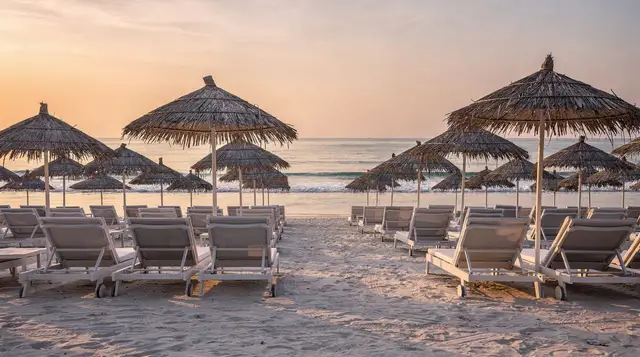
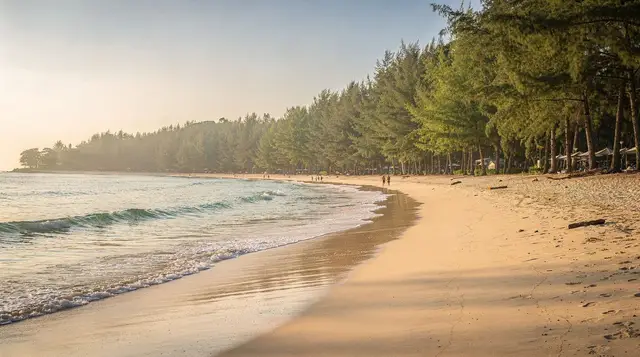
Beach hopping in Phuket by scooter
The west coast was made for this, with real caveats
Phuket’s west coast strings together half a dozen distinct beaches along one broadly continuous coastal road, which makes scooter-based beach hopping one of the genuinely good ways to see the island — provided the paperwork and safety side is handled properly first. This isn’t a route that works well by taxi: stringing together three or four beaches in a day by hired car means arranging pickups every time, at a cost that adds up fast, while a scooter lets you stop on a whim at a viewpoint or an unmarked stretch of sand that doesn’t have a name on a map.
The tradeoff is real risk. Road traffic accidents, not drowning or crime, are the leading cause of injury and death among tourists in Phuket, and a large share of those involve scooters ridden by visitors without proper licenses or experience on Thai roads. What follows assumes the legal and safety basics are covered — our scooter rental guide has the full detail on permits, insurance and rental red flags.
Before you ride: license, insurance, deposit
An international driving permit with a motorcycle category, paired with a valid motorcycle license from home, is a legal requirement to ride in Thailand — not a formality. Riding without one means any travel insurance claim after an accident is likely to be denied outright, which turns a minor spill into a potentially enormous medical bill on an island where private hospital care isn’t cheap.
On the rental side, a few rules protect you: photograph the scooter from every angle before you ride off, including existing scratches and dents, insist on a written rental agreement rather than a verbal one, and never hand over your passport as a security deposit — a cash deposit or a credit card hold is standard and reasonable, a held passport is not. Helmets are legally required and should be checked for a working strap and a reasonably intact shell, not just handed over because one exists.
The route: Nai Harn to Bang Tao
A full west-coast run from south to north (or reverse) covers roughly six beaches in a single long day, though most riders enjoy it more spread across a day and a half with an overnight somewhere in the middle. Starting from Nai Harn in the south, Promthep Cape is a five-minute detour and one of the island’s better sunset viewpoints, worth timing the ride around if the schedule allows. From there, Kata and Karon sit close together and make an easy double stop — Kata for a swim or a beginner surf lesson depending on season, Karon for its long, straighter stretch of sand.
Patong comes next, more for the ride through than a beach stop for most travelers, since it’s the busiest and most built-up of the bunch. North of Patong, Kamala is noticeably quieter, and Surin and Bang Tao round out the route as the higher-end, more manicured end of the coastline, both good lunch or late-afternoon stops before heading back.
Phuket viewpoints: 3-hour sunset trekking small group tourRealistic riding times, not map-app times
Google Maps’ driving times on Phuket are optimistic in a way that catches first-time riders out — they assume clear roads, which the west coast rarely has between mid-morning and early evening. Nai Harn to Kata is a genuine 15-20 minutes at a relaxed pace; Kata to Patong through Karon adds another 20-25 minutes; Patong to Kamala involves a steeper, curvier stretch of road that deserves caution rather than speed and takes 20-30 minutes; Kamala to Bang Tao via Surin is another 20-25 minutes. Add stopping time at each beach and the full route easily fills a day even without lingering anywhere for long, which is the honest argument for splitting it across two days rather than trying to check every beach off a list before sunset.
Safety rules that actually matter on this route
Helmets, full stop, every ride, no exceptions for “just down the road” — a large share of scooter injuries in Phuket happen on short, familiar stretches where riders get complacent. The Patong-to-Kamala hill section deserves particular respect: it’s steeper and more heavily curved than most of the rest of the route, with tour vans and songthaews sharing the same narrow lanes, and it’s not the place to be riding two-up with luggage or testing an unfamiliar bike’s brakes for the first time.
Rain changes the calculus immediately — Phuket’s roads get slick fast in a downpour, and pulling over to wait out a heavy shower costs a few minutes against the real risk of losing traction on wet tarmac. And if the plan includes swimming at any point along the route during the mid-year monsoon months, check for red flags before going in: the west coast sees dangerous rip currents and strong surf from roughly May to October, and drowning is a real and recurring cause of tourist deaths on these same beaches. Our beach safety and riptides guide covers the flag system in more detail.
Phuket: Surf lesson for beginners in Kata beachWhere to actually stop, beyond driving through
Not every beach on the route deserves equal time, and that’s fine — part of the appeal of doing this by scooter is being selective rather than obligated. Kata and Bang Tao are the two most worth a proper few hours, one for swimming and casual surf lessons, the other for a quieter, more resort-lined stretch with good lunch options.
Promthep Cape is worth timing for sunset specifically rather than a midday drive-by — the light is what makes the stop, not the viewpoint itself at other hours. If quieter sand matters more than convenience, a short detour off the main route to somewhere like Freedom Beach — reachable partly by scooter and partly on foot or by longtail — rewards the extra effort with a beach that doesn’t see the same crowds as the roadside stops.
Fuel, parking and small logistics
Fuel stations thin out the further you get from the main towns, but small roadside fuel stalls selling bottled petrol fill the gaps reliably enough not to worry about it — a full tank at the start of the day easily covers the whole route regardless. Parking at each beach is generally informal and often free near smaller access points, though the busier stops like Patong and Kata have paid or semi-organized parking areas near the main beach entrances; a small tip to whoever’s directing bikes into a row is normal practice and buys a bit of peace of mind about the bike being watched. Carry cash in small denominations — parking, drinks and roadside food stalls along the route rarely take cards.
Phuket: Stand-up paddleboard experiences at Bang Tao beachFrequently asked questions about beach hopping by scooter in Phuket
Do I need a special license to rent a scooter in Phuket?
Yes — a motorcycle license from home plus an international driving permit with a motorcycle category. Riding without both risks a denied insurance claim if anything goes wrong.
How many beaches can I realistically cover in one day?
Four to five with a relaxed pace and real stopping time, though splitting the full Nai Harn-to-Bang Tao route across a day and a half is more comfortable than rushing it into one.
Is the Patong-to-Kamala stretch dangerous?
It’s steeper and more heavily curved than most of the route, shared with tour vans and songthaews, and deserves caution — not a stretch to ride fast, two-up with heavy luggage, or on an unfamiliar bike.
Should I swim at every beach stop along the route?
Check the flag system first, especially from May to October when the west coast sees rough surf and rip currents. A quiet-looking beach isn’t automatically a safe one to swim at that time of year.
Can I rent a scooter without leaving my passport?
You shouldn’t need to — a cash deposit or credit card hold is standard. A rental shop that insists on holding your passport is a red flag worth walking away from.
Is it cheaper to hire a taxi for the day instead of a scooter?
Usually not, and a scooter offers far more flexibility to stop wherever looks interesting. A private driver makes more sense if you don’t hold a valid motorcycle license.
What’s the best time of day to start a scooter beach-hopping route?
Mid-morning, after the worst of the school and work-commute traffic but early enough to reach the northern beaches with daylight to spare before an evening ride back.
Are there quieter alternatives to the main beaches on this route?
Yes — a short detour to Freedom Beach rewards the extra effort with far smaller crowds than the roadside stops along the main route.
tours.beaches
Verified deep-linked GetYourGuide tours. Book through these links and we earn a small commission at no cost to you.
These are our own photographs of Phuket, not the operator's pictures of this tour — open the tour page to see those.