Cycling in Phuket
Is cycling in Phuket safe?
On a guided countryside or mountain bike route, yes — operators route away from traffic. On your own on the main roads, no: Phuket's arterial roads carry fast, dense traffic with few shoulders, and road cycling here has a genuine risk profile that catches out visitors who assume it's like cycling at home.
The honest starting point
Cycling can be one of the better ways to see rural Phuket — plantation roads, fishing villages, quiet backroads well away from Patong’s traffic. It can also be genuinely dangerous if you assume Phuket’s roads work like the ones at home and set out solo on a rented bike along the main arteries. The difference between a great cycling day and a bad one here is almost entirely about route choice, and that’s the single most important thing to get right before you book anything or rent a bike.
Why the main roads are a bad idea for cyclists
Phuket’s arterial roads — the ones connecting Patong, Kata, Karon, the airport and Phuket Town — carry fast-moving traffic, minimal shoulder space, and a driving culture that doesn’t reliably give cyclists room. Add hilly terrain with blind curves in places like the road up from Kata to Nai Harn, and the risk compounds. This isn’t a reason to avoid cycling in Phuket; it’s a reason to avoid riding the main roads yourself and instead choose routes — guided or self-planned — that stick to backroads, plantation tracks and quieter coastal lanes.
Guided countryside rides: what they cover
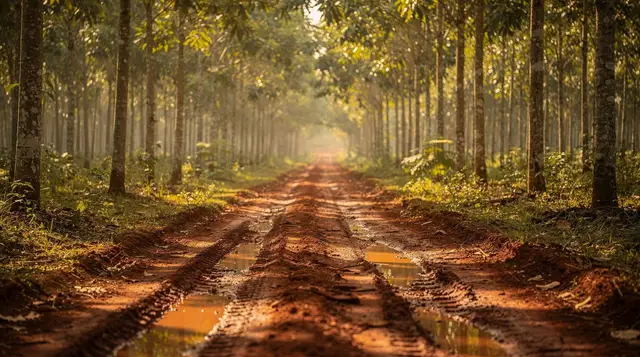
The most common format for visitors is a half-day guided countryside ride through rubber and pineapple plantations, rural villages and backroads inland from the west coast resorts. These routes are deliberately chosen to avoid the busy arterials, run at a moderate pace suitable for casual riders, and typically include a stop at a local market or a small-scale food producer along the way — genuinely different scenery from the beach-resort strip most visitors otherwise see.
Phuket half-day countryside cycling tour with lunchMountain biking on hidden trails
For riders who want more technical terrain than a flat plantation road, a few operators run mountain bike routes through jungle single-track and hill trails inland from the resort areas — root-crossed paths, some elevation change, and a noticeably more physical pace than the countryside tours. These trips assume at least basic mountain bike comfort; if you’ve never ridden off-road terrain before, say so when booking so the guide can adjust the route or pace.
Phuket hidden trails biking adventureKoh Yao Noi: cycling off the main island entirely
One of the more distinctive options is a day trip that combines a boat crossing with mountain biking on Koh Yao Noi, a quiet island between Phuket and Krabi with a fraction of the traffic and none of the resort development. The island’s dirt roads and rubber plantation tracks are genuinely low-traffic, which makes for a calmer ride than anything comparable on Phuket itself — the trade-off is a longer day once you account for the boat crossing each way.
Phuket mountain bike tour on Koh Yao NoiHow cycling fits with getting around otherwise
Cycling as a leisure activity is a different question from cycling as your main way of getting around Phuket day to day — most visitors still rely on scooters, taxis or Grab for general transport and treat a cycling tour as a dedicated activity rather than a transport substitute, given the road-safety concerns already covered above.
Renting a bike on your own
If you’d rather ride independently than join a guided group, rental shops are easy to find near most resort areas, with basic city or hybrid bikes typically running 100–200 THB (about $3–6) per day and mountain bikes more. The catch is route planning: without local knowledge, it’s easy to end up on a busy arterial by accident. Stick to marked backroads, use a mapping app that shows road width and traffic level where possible, and avoid riding after dark — street lighting is inconsistent outside the main tourist strips, and drivers aren’t watching for cyclists at night the way you’d hope.
Heat, hydration and pacing
Phuket’s heat and humidity are the other factor visitors underestimate. Even a moderate-pace ride in the middle of the day can be more physically demanding than the same distance would be at home. Early morning departures (before 9am) are noticeably more comfortable, both for temperature and for lighter traffic on any road you do need to cross or briefly share. Carry more water than you think you’ll need, and don’t be surprised if a guided ride builds in more stops than a similar tour would elsewhere.
What guided rides cost
A half-day countryside cycling tour with lunch typically runs 1,000–1,800 THB (about $28–$50) per person, with bike, helmet and guide included. Mountain bike routes on the hidden trails cost slightly more given the more technical terrain and smaller group sizes, usually 1,500–2,500 THB (about $42–$70). The Koh Yao Noi combination trip, since it includes a boat crossing, runs higher again — commonly 2,500–4,000 THB (about $70–$110) per person for a full day including the ferry.
Cycling compared with Phuket’s other land-based adventure activities
If you’re deciding between a few activities for one day, cycling sits at the lower-impact end compared with ATV riding — no engine noise, no mud spray, and a pace that lets you actually notice the plantation villages and coastline you’re passing through, closer in spirit to jungle trekking than to the faster motorised options. It’s also considerably gentler on the body than white water rafting, which makes a countryside cycling tour a reasonable choice for travellers who want to be active without a high-adrenaline, high-impact day.
Combining cycling with a beach or market stop
Several countryside routes are designed to finish near a local market, a small-scale food producer, or occasionally a quiet beach — a good way to add a cultural or relaxation element to what’s otherwise a physical activity. If a beach finish appeals to you, ask specifically when booking, since not every route includes one, and the ones that do tend to sell out earlier given the extra appeal.
Cycling and the rest of your Phuket itinerary
Cycling tends to work best scheduled early in a multi-day stay, before muscle fatigue from other activities sets in, or as a deliberately lighter day sandwiched between more strenuous outings like ATV riding or a boat trip to the islands. If you’re building a broader activity-focused stay, our guide on how many days in Phuket covers how to balance beach time, adventure activities and rest days across a typical trip length.
What to bring
- A hat or cap that fits under a helmet, and sunglasses against glare
- Reef-safe sunscreen reapplied through the ride, since sweat washes it off faster than usual
- A light, breathable long-sleeve option for sun protection if you burn easily
- More water than feels necessary — heat exhaustion sneaks up faster on a bike than walking
- Cash for any village stop or roadside snack on countryside routes
Best time of day and year
Early morning is the best time slot regardless of season — cooler temperatures, quieter roads, and better light for photos through plantation country. Across the year, the dry season (November–April) gives more predictable conditions, though a countryside ride with rain gear is still workable in the wet months if showers are brief, which they usually are outside the heaviest weeks.
Bike types and what suits which route
Countryside tours generally use hybrid or comfort bikes — upright riding position, wider tyres, forgiving on the mix of paved and packed-dirt surfaces these routes cover. Mountain bike tours use proper full-suspension or hardtail mountain bikes suited to the root-crossed single-track and hill terrain, with a noticeably different riding position and more demand on arm and core strength over rough ground. If you’ve mainly ridden upright city bikes before, expect the mountain bike routes to feel more physically demanding in the first hour before you settle into the position.
Group size and pacing on guided rides
Most countryside cycling tours run in small groups, typically 4–10 riders, with the guide setting a pace suited to the slowest confident rider rather than pushing everyone to match the fastest. That makes these tours genuinely approachable for mixed-ability groups, including couples or families where fitness levels differ. Mountain bike routes tend to run smaller groups given the technical terrain, and pacing there is more individual — riders who want to push harder on climbs are usually free to do so while the guide keeps the group broadly together at trail junctions.
Who should skip guided cycling tours
If you have limited cycling experience and get uneasy on uneven ground, the mountain bike and hidden-trails routes will likely feel more demanding than advertised — ask specifically about terrain difficulty before booking rather than assuming “adventure” means casual. Anyone with knee or hip issues aggravated by hill climbs should mention it when booking so the operator can suggest a flatter route.
What villages and stops actually look like
Countryside routes typically pass through small working villages rather than anything staged for tourists — rubber tapping sheds, roadside fruit stalls, the occasional temple or school. Guides usually stop for a few minutes at a point of interest, whether that’s a rubber processing demonstration or a fruit tasting, rather than turning the ride into a series of long, structured stops. It’s a low-key, unpolished side of Phuket that contrasts sharply with the resort strip most visitors otherwise see, and for many riders it ends up being the most memorable part of the day rather than the cycling itself.
Fitness level needed
Countryside rides are graded easy to moderate and don’t require serious cycling fitness — a rider who’s comfortable on a bike for an hour or two at a gentle pace will manage fine, including most reasonably active teenagers and older adults. The mountain bike and Koh Yao Noi routes ask more of you: expect a genuinely more demanding few hours with real elevation change and technical sections, closer to what an experienced recreational mountain biker would expect than a casual cyclist. If you’re unsure which category you fit, describe your normal cycling habits to the operator when booking and let them steer you toward the right route rather than guessing.
E-bikes and rental alternatives
A small but growing number of rental shops now offer electric-assist bikes alongside standard ones, which flattens out Phuket’s hillier stretches considerably and makes independent riding more approachable for less-fit travellers or anyone nervous about the heat. E-bike rentals cost more than a standard bike — often double — but for a hilly self-guided route between, say, Kata and Nai Harn, the assist can be the difference between an enjoyable ride and an exhausting one. Ask specifically for an e-bike if standard rental options feel too demanding for the route you have in mind.
A final word on traffic awareness
Even on a guided route designed to avoid the busiest roads, short stretches of shared road are sometimes unavoidable — a village crossing, a junction near the start or end point. Stay alert on these sections specifically rather than assuming the entire route is traffic-free just because most of it is; guides will typically signal or call out when a shared-road section is coming up, and it’s worth treating that moment with full attention rather than continuing to admire the scenery.
Bringing your own bike
A small number of visiting cyclists bring their own bike from home, usually road or gravel riders looking for a longer independent tour of the island rather than a short guided loop. If that’s you, airline bike-transport fees and case logistics are worth researching well ahead of the trip, and it’s still worth reading the traffic-safety section above carefully — an unfamiliar road network is the same risk regardless of how good your own bike is.
Closing thought
Cycling in Phuket rewards travellers who choose their route deliberately rather than assuming any bike ride here works like one back home. Pick a guided countryside or mountain bike tour, or plan a careful backroad route if riding independently, and it becomes one of the more rewarding, low-key ways to see a side of the island most beach-focused visitors miss entirely, from working plantation villages to quiet island backroads few tourists ever bother to reach.
Frequently asked questions about cycling in Phuket
Is it safe to cycle on Phuket’s main roads?
Not recommended without local guidance. The main arterial roads carry fast traffic and minimal shoulder space. Guided tours and self-planned backroad routes that avoid these roads are considerably safer.
Do I need mountain bike experience for the trail rides?
For the hidden-trails and Koh Yao Noi mountain bike routes, basic comfort with off-road terrain helps. If you’ve never ridden single-track before, mention it when booking so the guide can adjust pace and route.
What’s the best time of day to cycle in Phuket?
Early morning, generally before 9am, for cooler temperatures and lighter road traffic. Afternoon heat makes even short, flat rides noticeably harder.
Can I rent a bike without joining a guided tour?
Yes, rental shops near most resort areas offer daily rentals. The main risk is accidentally ending up on a busy arterial road without local route knowledge — plan your route in advance.
Is cycling in Phuket good for families with kids?
Guided countryside rides at a gentle pace can work for older kids who are confident cyclists, but the heat and distance make it a poor fit for younger children. Ask the operator about minimum age and route difficulty before booking.
What’s the Koh Yao Noi cycling trip like compared with cycling on Phuket?
Quieter and lower-traffic, since the island has far less development, but it requires a boat crossing each way, making it a longer, more involved day than a countryside ride on Phuket itself.
tours.adventure
Verified deep-linked GetYourGuide tours. Book through these links and we earn a small commission at no cost to you.
These are our own photographs of Phuket, not the operator's pictures of this tour — open the tour page to see those.